
Shillong, November 7, 2025: The sacred annual indigenous rituals of Hima Khyrrim, known as Pomblang Syiem Nongkrem, concluded today at Smit with solemnity, reverence, and deep spiritual significance. Thousands of devotees from across Meghalaya — including Shillong, Sohra, Jowai, and Ri Bhoi — gathered to witness the ancient tradition that reflects the enduring faith of the Khasi people.
Villages and clans of Hima Khyrrim arrived with offerings, traditional food items, and tokens of thanksgiving, reaffirming their devotion to the ancestral deities and the Creator.
Senior traditional leaders — including the Syiem of Hima Khyrrim, ministers, Lyngdoh, Syiem Raids, and other customary authorities — graced the concluding ceremony, underscoring the strong connection between spiritual leadership and governance in Khasi society.
32 Goats Offered in Sacred Ritual
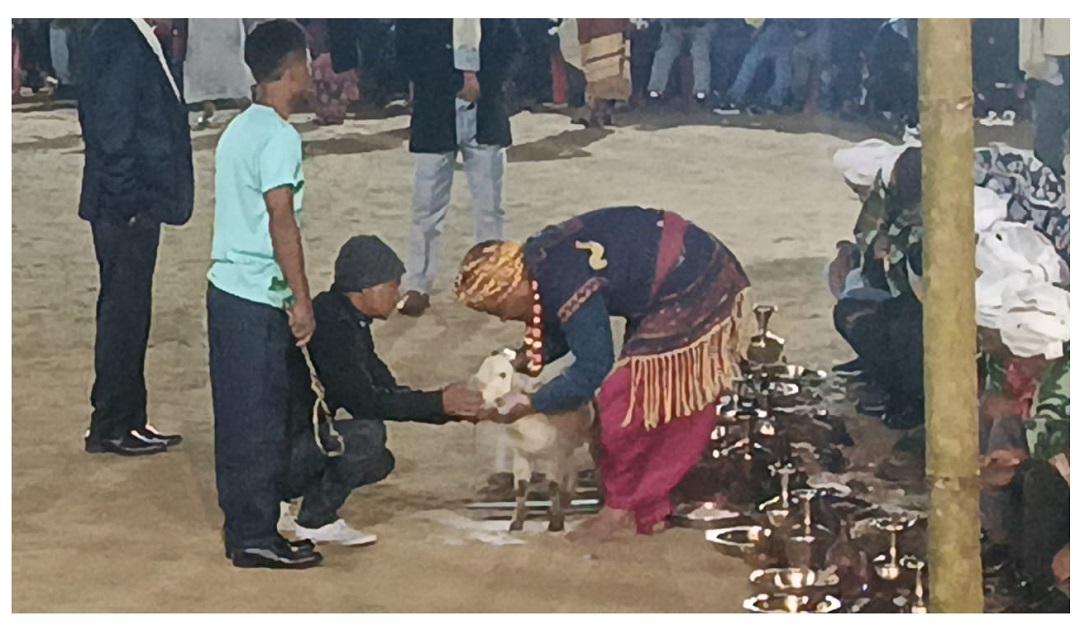
On the final day, 32 goats were sacrificed as offerings to the Almighty Creator and the ancestral deities. The act, central to Pomblang, symbolizes thanksgiving, purification, and renewal of the sacred bond between the people, their land, and divine protection.
The ritual was led by the Syiem Khynnah (young chief), acting on behalf of the Syiem. Of the total offerings, 12 to 17 goats were personally sacrificed by the Syiem, signifying his role as the spiritual custodian of the Hima and the protector of its people.
The remaining animals were offered by various Hima, Raids, and Shnats, reflecting unity and collective participation within the traditional federation of Hima Khyrrim.
Ding Sliew — The Sacred Fire
Before the offerings, the ceremony of Ding Sliew — the lighting of the sacred fire — was performed. This ritual purifies the space and prepares both participants and the community to receive divine blessings. The fire symbolizes spiritual cleansing, clarity of mind, and readiness for sacred communion.
The Lyngdoh Nongkñia (priestly leaders) then invoked prayers and blessings, seeking peace, prosperity, and harmony for all within the Hima. Their mediatory role between the Syiem and the ancestral deities remains central to the spiritual fabric of the Pomblang ceremony.
Symbol of Oneness and Thanksgiving
After the sacrifices, the sharing of the blessed meat brought the community together in a symbolic gesture of equality and unity. The Pomblang ritual, beyond its ceremonial significance, stands as an expression of gratitude — a reaffirmation of faith, purity, and collective identity.
The event reflects the strength of Khasi traditional religion, rooted in reverence for nature, ancestry, and moral integrity. Despite modern changes, the ceremony demonstrates that spiritual values continue to guide the Khasi way of life.
Nongkrem Dance — A Celebration of Faith and Heritage
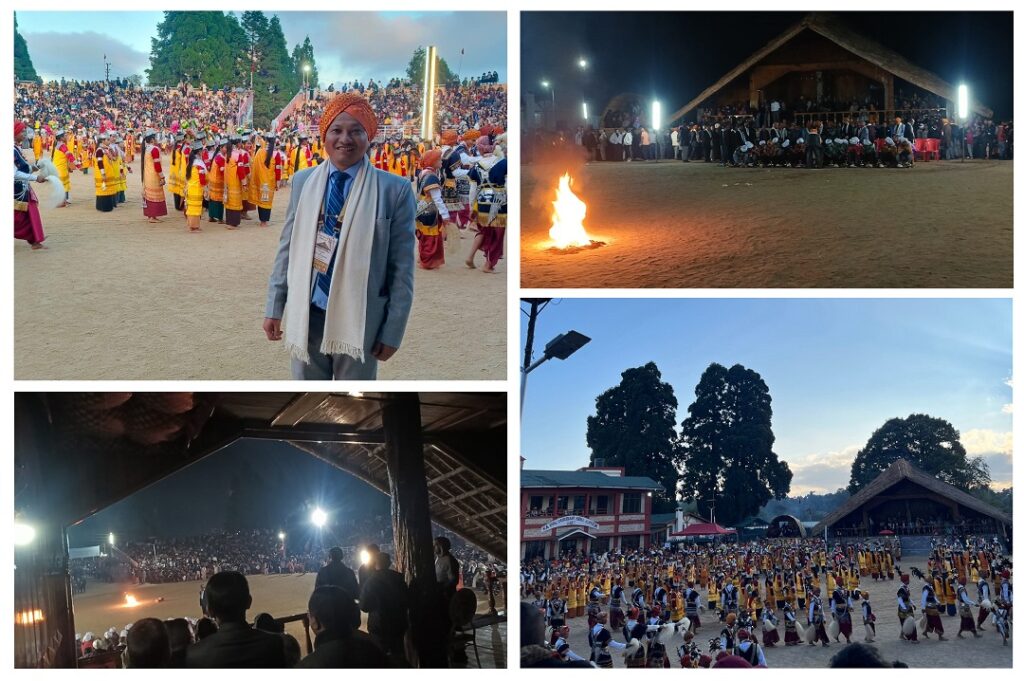
Following the completion of the Pomblang rituals, the sacred Shad Nongkrem commenced — a vibrant dance of thanksgiving and devotion. Performed only after the offerings are made, the dance expresses gratitude to the Creator for blessings, good harvests, and harmony within the community.
Young women, known as Iapynshad, moved gracefully in the courtyard of Syiem Womkha, while young men, the Pyniaid Shad, danced to the rhythm of traditional drums and the enchanting melody of the tangmuri flute. Their movements symbolized joy, reverence, and the harmonious bond between humans and nature.
As the final notes of the tangmuri echoed across Smit, the atmosphere was filled with serenity and pride. This year’s Pomblang Syiem and Shad Nongkrem once again stood as powerful reminders that Khasi traditional religion is not merely a relic of the past — it is a living heritage, deeply intertwined with gratitude, humility, and unwavering reverence for the Creator and the ancestors.