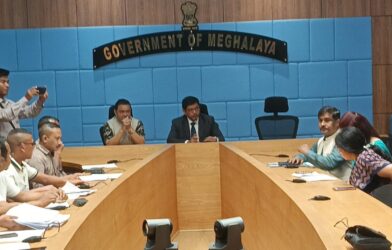

Shillong, October 23, 2025: The Office of the Commissioner of Excise has confirmed, in response to a Right to Information (RTI) query filed by Bah Samborlang Diengdoh, that the Meghalaya government has outsourced the monitoring and management of excise revenue collection to a Hyderabad-based private company, C-Tek Infosystem Private Limited.
According to the RTI reply, the firm will oversee accounting and revenue compliance under the Integrated Excise Management System (IEMS), which uses QR codes and barcodes to track liquor distribution and sales.
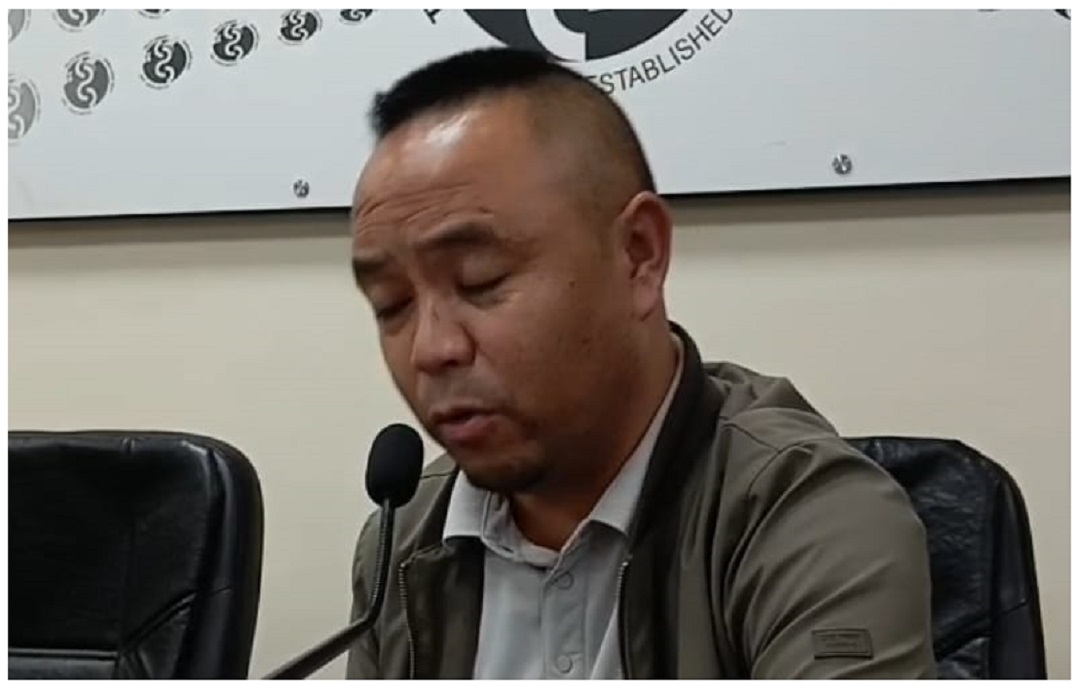
Addressing the media, Bah Diengdoh — a licensed retailer and bonded warehouse owner — expressed serious concerns over the move, warning that the outsourcing could have wide-ranging administrative and financial implications for the state.
He outlined several key issues:
Sideling of Local Officers: Experienced excise officers and inspectors could be sidelined as C-Tek assumes control over key operational functions.
Loss of Confidentiality: Sensitive data related to IMFL revenue may become accessible to an external company, potentially compromising state confidentiality.
High Charges to Retailers: Retailers are reportedly required to pay 5% of their turnover to the company — an amount that could reach hundreds of crores annually — thereby reducing funds available for government salaries and welfare programmes.
Exclusion of Local Stakeholders: Licensed retailers and warehouse owners, who play a major role in revenue generation, were allegedly not consulted before the decision was made.
Systemic Redundancy: The IEMS system replicates previous state-level initiatives such as hologram tracking and central bonded warehouse monitoring. Retailers are being charged ₹2.40 per bottle (excluding GST), while the government earns no direct revenue from this mechanism. Profit margins have reportedly dropped from 20% to 15%.
Questionable Track Record: C-Tek has implemented similar systems in Assam, Himachal Pradesh, and Telangana, where, according to reports cited by Diengdoh, several operational challenges were encountered.
“This policy compromises the excise department. Local officers capable of performing these duties are being sidelined,” said Bah Diengdoh, urging the government to reconsider the outsourcing and prioritise local expertise and transparency.
He added that a formal representation highlighting these concerns will soon be submitted to the authorities.