
SHILLONG, MAR 27: The Green-Tech Foundation Meghalaya has strongly opposed the proposed handover of nearly 66 acres of land at Umiam Lake to Indian Hotels Company Limited for the development of a luxury resort and spa.
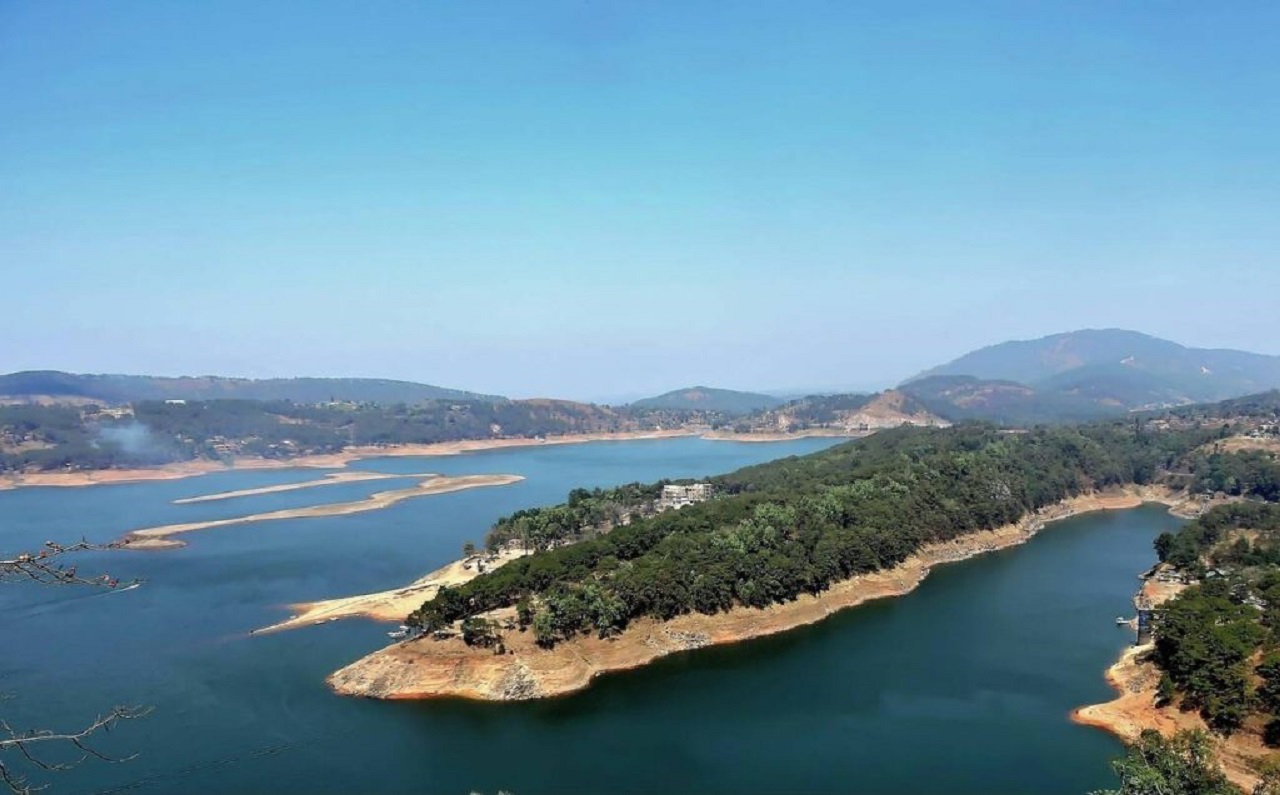
In a statement issued on Friday, the organisation termed the move environmentally unsustainable and raised concerns over its potential ecological impact, particularly on Lumpondeng island, a crucial component of the Umiam reservoir ecosystem.
Citing information obtained through a Right to Information (RTI) application from the Meghalaya State Pollution Control Board, the Foundation said a “Consent to Establish” (CTE) had been granted to Umiam Hotels Pvt. Ltd. for the project. The proposed development reportedly spans 36 acres on Lumpondeng island and 30 acres at Orchid Hotel Umiam, totalling 66 acres under a 60-year lease. The Foundation argued that such a long-term lease effectively amounts to a permanent transfer of land.
Highlighting the ecological importance of Umiam Lake, the organisation noted that it is the largest hydroelectric reservoir in the state, with a generation capacity of 176 MW, and serves as a vital habitat for aquatic life, migratory birds, and diverse flora and fauna.
The Foundation also pointed out that the Meghalaya High Court had earlier taken suo motu cognisance of unregulated construction activities around the lake and, through a Public Interest Litigation, directed authorities to halt such developments. It further noted that the State had subsequently notified the Meghalaya Waterbodies (Preservation and Conservation) Guidelines, 2023, mandating a minimum 50-metre setback from water bodies for new constructions.
Alleging violations, the organisation claimed that the proposed project contravenes these guidelines as well as central pollution control norms governing proximity of commercial activities to water bodies.
Raising additional environmental concerns, the Foundation said the lake is already facing significant siltation, estimated at around 40,000 cubic metres. It warned that construction activities such as tree felling, soil dumping, and increased human interference could further degrade the fragile ecosystem and potentially impact 40–50 per cent of local species, including rare and migratory birds.
The group has submitted petitions to the Khasi Hills Autonomous District Council and filed RTIs with multiple departments, including Tourism, Forest and Environment, and district authorities, seeking clarity on land ownership and approvals. It also alleged delays in responses from certain departments.
While clarifying that it is not opposed to tourism development, the Foundation stressed that ecologically sensitive areas such as Umiam Lake should be protected from large-scale infrastructure projects.
It has demanded immediate withdrawal of the land allotment, cessation of all construction activities in and around the lake, and greater focus on conservation measures such as desiltation and afforestation.
The organisation also urged authorities not to grant any No Objection Certificates (NOCs) for the project, warning that it may approach the Meghalaya High Court if its concerns are not addressed.
“The ecological significance of Umiam Lake cannot be compromised in the name of development,” the statement said, adding that the area’s natural appeal has long attracted visitors without the need for large-scale luxury infrastructure.