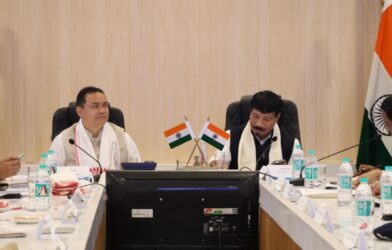

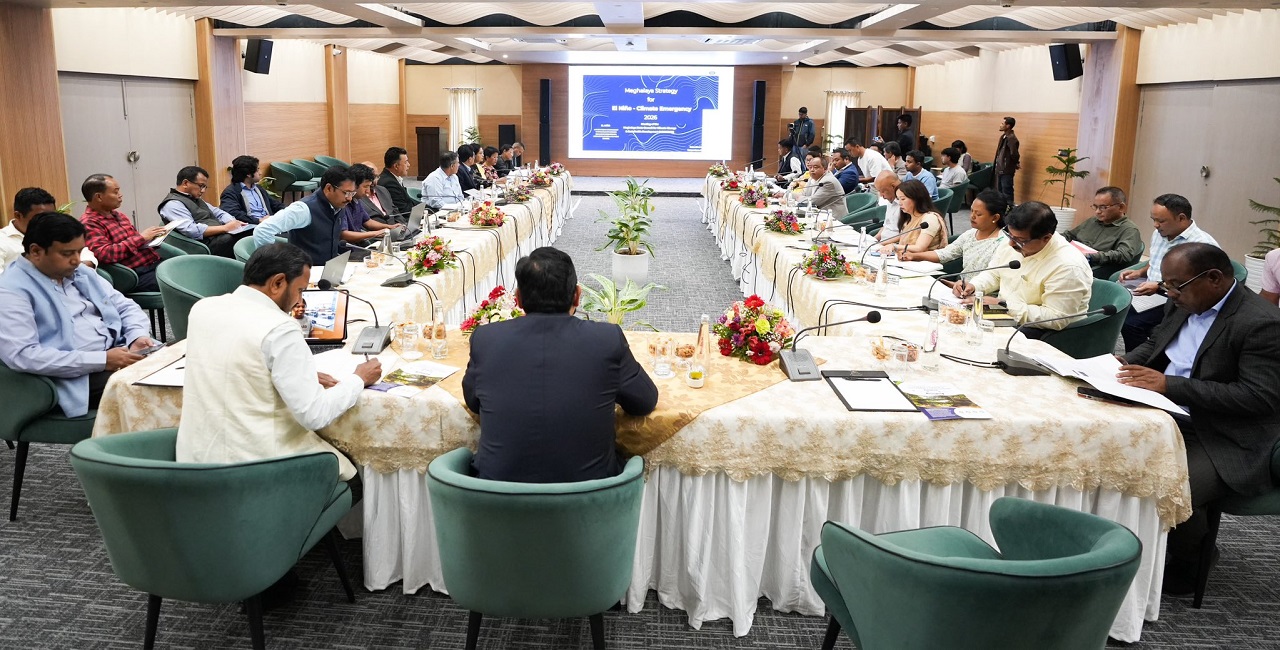
SHILLONG, JUN 23: Chief Minister Conrad K Sangma on Tuesday told all departments to move beyond preparedness plans and translate them into concrete, time-bound actions as Meghalaya braces for the possible impacts of an El Niño event.
Chairing the Meghalaya Climate Council meeting at the State Guest House, Taraghar, Sangma stressed that the state cannot wait for adverse weather to strike before responding.
With forecasts pointing to potential El Niño conditions that could disrupt monsoon patterns, stress water resources, and hit agriculture, he said advance preparation was the only viable defence.
“While the exact impact on Meghalaya remains uncertain, the State must prepare in advance rather than respond after adverse conditions emerge,” Sangma said.
He directed every department to convert existing preparedness strategies into actionable measures backed by clearly defined responsibilities and timelines, and said the Climate Council would coordinate and monitor progress across sectors.The discussions centred on the most vulnerable areas, particularly water security.
Sangma urged departments to accelerate work on desilting ponds and reservoirs, creating new water harvesting structures, expanding groundwater recharge, and protecting catchments.
He called for ongoing soil and water conservation projects to be pushed forward and for officials to identify practical steps that can be delivered in the next six to twelve months.
On agriculture, the Chief Minister asked the department to ensure seeds and planting materials reach farmers on time, while also promoting short-duration crop varieties, efficient water management, and expanded crop insurance cover in vulnerable blocks.
He said outreach to farmers needed to be strengthened so communities are ready for any climatic disruptions, and suggested greater use of solar-powered irrigation where feasible.
Sangma also told the Public Health Engineering Department to keep a close watch on critical water sources and keep emergency systems like water tankers and response mechanisms ready.
The Food and Civil Supplies Department was asked to advance stocking of grains and essentials and tighten price monitoring to prevent shortages. IMD officials were directed to improve the flow of weather advisories and early warnings through social media, local networks, and community channels so information reaches citizens quickly.
Beyond government machinery, Sangma called for district-level awareness programmes and consultations with village bodies, self-help groups, and local institutions. He said preparedness should become a people’s movement, with communities actively involved in water conservation and catchment protection.
Closing the meeting, the Chief Minister said preparedness remained the state’s best shield against climate uncertainty and urged departments, institutions, and communities to work together to protect water, agriculture, livelihoods, and public welfare.