
Carmel Lyngdoh
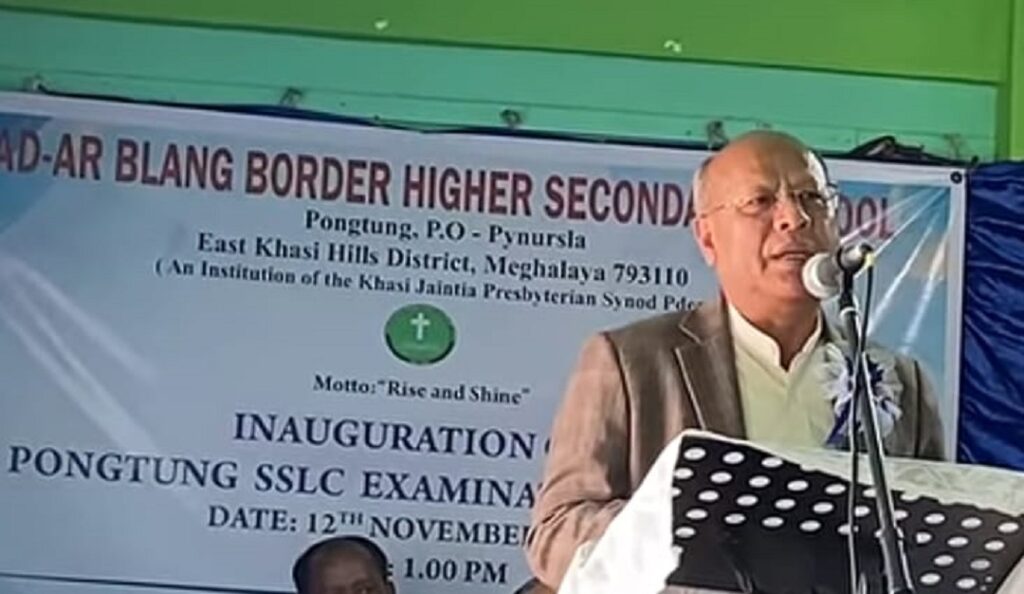
Shillong, November 18: The controversy over the words “cockroaches” and “rotten fruit” has not subsided. On Wednesday, Deputy Chief Minister Prestone Tynsong reiterated that his remarks at Pongtung on November 12 were not directed at all teachers. He said he was referring to leaders of the Khasi Jaiñtia Deficit School Teachers’ Association (KJDSTA), whom he accused of turning a protest over teachers’ demands into a political campaign.
His clarification identifies whom he says he meant. It also raises another question: will the dispute ease if criticism directed at teachers as a whole is instead directed at the leaders representing them? The KJDSTA’s demands deserve to be assessed on their merits, alongside any concerns about how the protest is being conducted.
The association began an indefinite protest on November 11. Its demands include action on the Centralised Provident Fund, implementation of the 2023 pension scheme instead of the 2026 scheme, clarification of the 10 per cent contribution, payment of outstanding dearness allowance and arrears, career progression, and the filling of vacant teaching posts. These issues call for written answers, decisions that can be implemented, and clear deadlines.
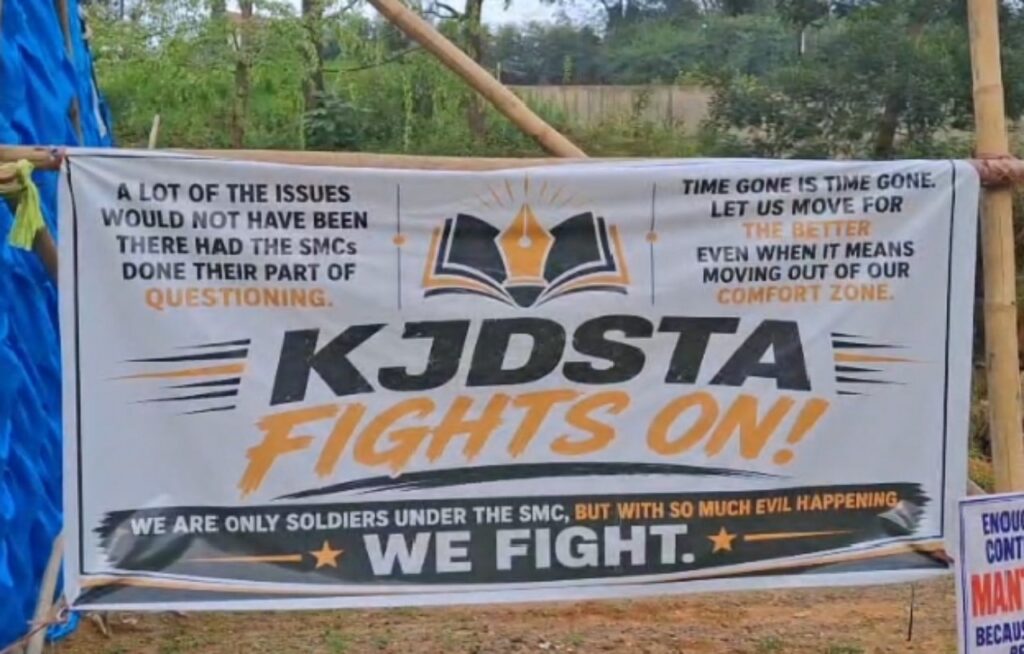
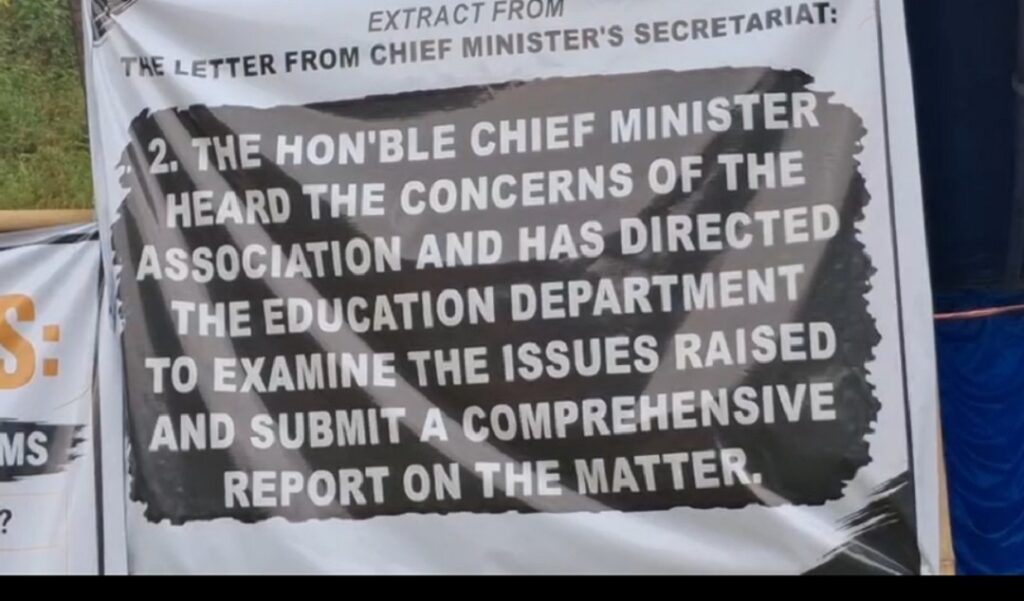
Tynsong said the government had met the association several times and tried to address its demands one by one. The KJDSTA maintains that the responses it has received do not say when key issues will be resolved. A public account of the decisions already taken, the matters still pending and the proposed timetable would help establish where the talks stand.
On Wednesday, Tynsong also questioned the association leaders’ decision to protest during examinations. He said the agitation could worry parents and discourage students who had worked throughout the year. He urged the leaders to let the examinations proceed and, if they still wished to protest, to do so afterwards in accordance with the law.
Concern for students’ education is justified. Examinations require preparation, teachers’ support and peace of mind. But a claim that the protest is disrupting examinations also needs specifics: which examinations have been affected, in which schools, and to what extent? The KJDSTA should explain how it is protecting students during the agitation. The government, in turn, must answer the demands that brought teachers onto the streets.
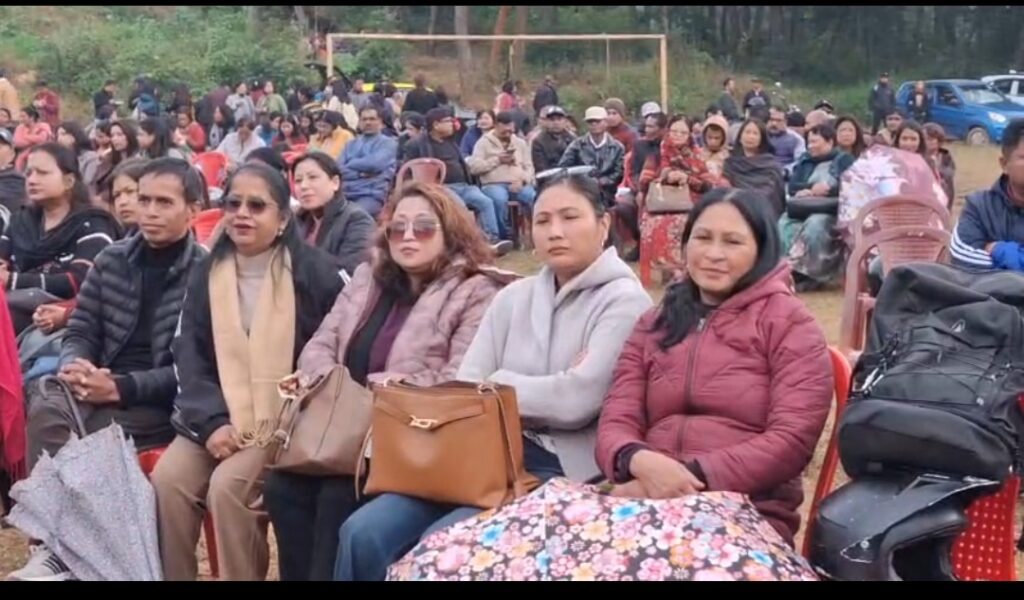
Tynsong further alleged that portions of the video of his Pongtung speech had been edited and circulated in a way that created a misunderstanding. He said he respected teachers and credited his own teachers with shaping his life. Making the full speech available would allow the public to judge his remarks in context. It would not, by itself, dismiss the hurt expressed by those who heard his choice of words as an insult.
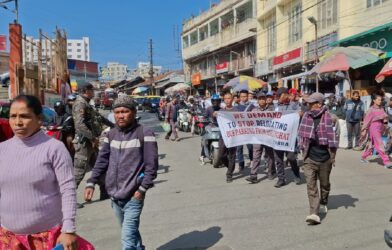
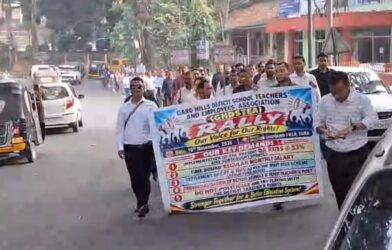
That anger has been visible in teachers’ marches in Jaiaw–Mawkhar and protests in Nongpoh. The Hynñiewtrep Youths’ Council put up banners outside the Secretariat, while the UDP State Youth Wing and the Voice of the People Party condemned the remarks. Calls for Tynsong to apologise have continued despite his clarification. Explaining his intent and addressing the hurt caused by his words are separate tasks.
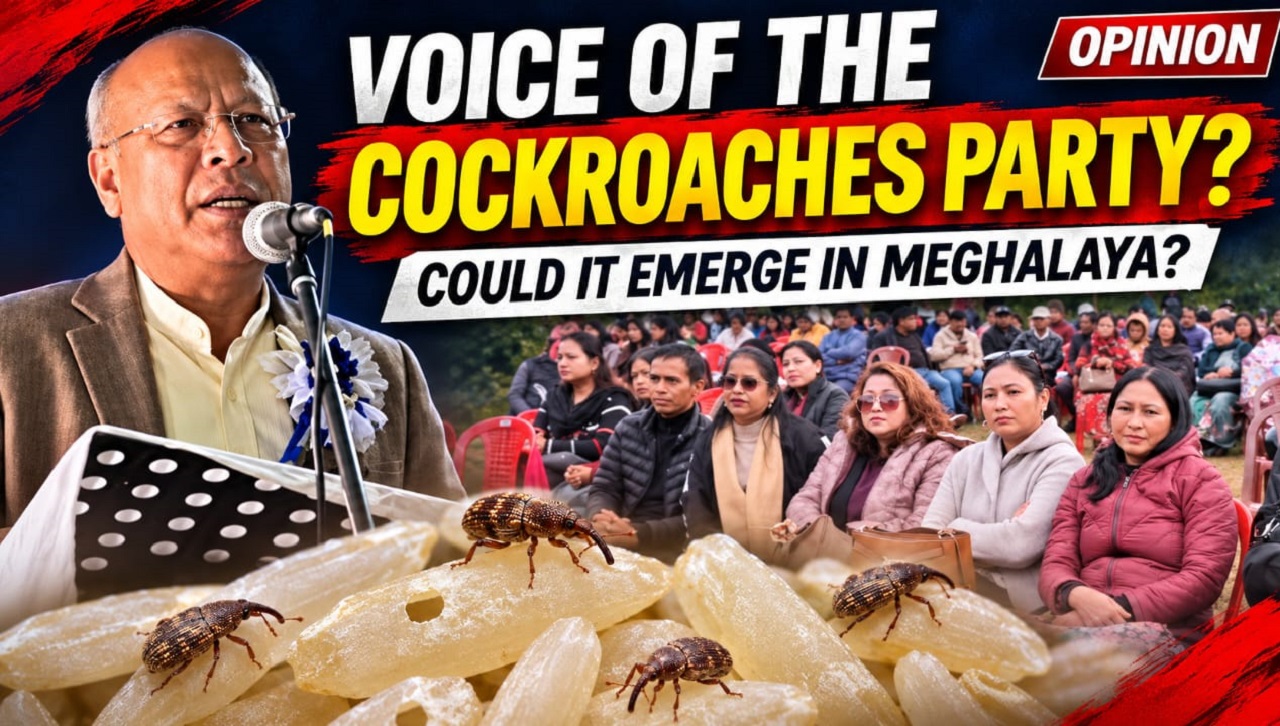
Against this backdrop, an image bearing the name “Voice of Kruiñ Party” has circulated on social media as a symbol of protest. A term perceived as demeaning can become a rallying cry for those it has offended. But the image is no evidence that a political party has been formed, with office-bearers or a programme. For now, the “Voice of Kruiñ Party” remains a question, not the announcement of a new party.
Some have drawn a parallel with the Cockroach Janta Party, suggesting that words used in anger can acquire a new life in public protest. That comparison cannot establish that events will follow the same course in Meghalaya. What happens next will depend far more on how the government and the KJDSTA address the issues before them.
Other questions about education must not disappear amid the argument. Concerns raised about the CM IMPACT Guidebooks, including alleged errors and an excessive focus on examination preparation, warrant an open review. Teachers should be able to identify mistakes, and the government should explain how it checks and corrects books used by students.
Tynsong still has an opportunity to address teachers who felt insulted by his remarks. The government can show that it is listening by providing a written response to each KJDSTA demand. The association’s leaders, for their part, should explain how they intend to protect teaching and examinations while the protest continues.
Could a “Voice of Kruiñ Party” emerge? There is no basis yet to say that it will become a political organisation. But the sentiment behind the image is already being heard: teachers want respect and clear answers. If the dispute grows, it will be about more than words spoken at Pongtung. It will also reflect whether the concerns of teachers can be resolved while safeguarding the education of their students.