
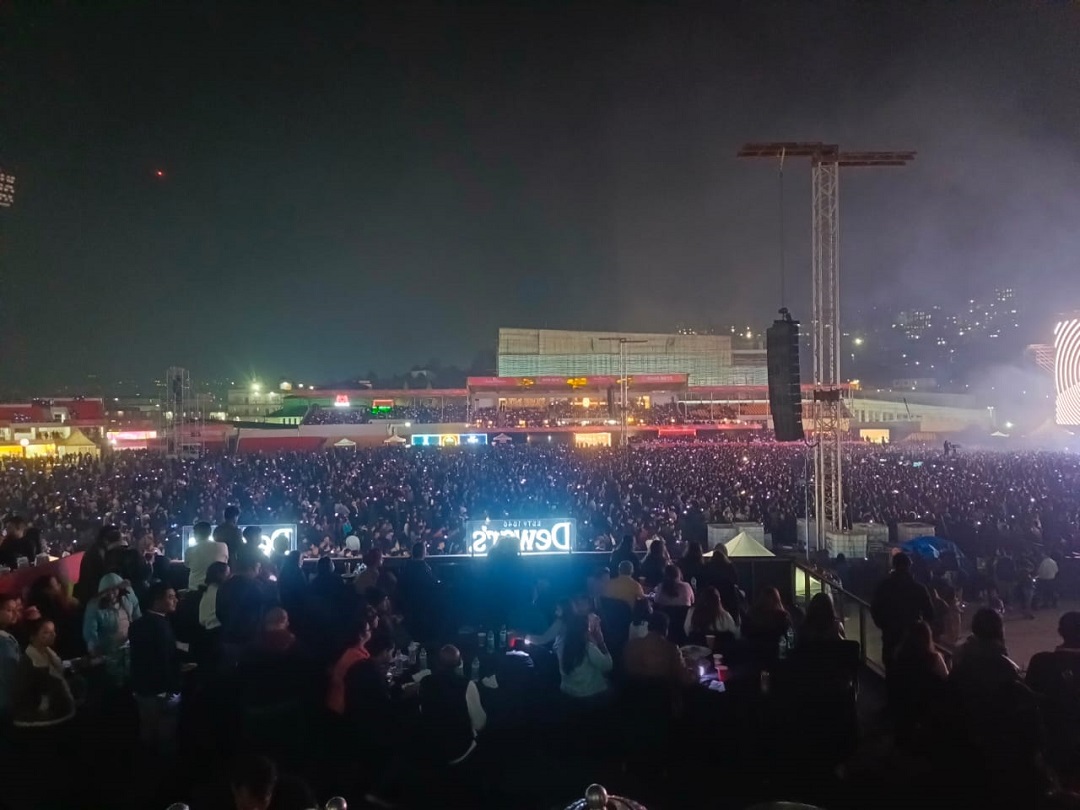
Shillong, Nov 14, 2025: The Cherry Blossom Festival, now one of Meghalaya’s most prominent cultural attractions, once again drew massive crowds to the capital with its blend of Bollywood glamour, international music acts and the natural beauty of blooming cherry blossoms. Artists like Nora Fatehi and the Irish band The Script added star power, creating a spectacular atmosphere in Shillong.
However, even as the festival grows in scale and prestige, an important question continues to surface: Who benefits more — the Government or the general public?
The State Government, as the organiser, clearly gains from increased tourist footfall, global visibility and a surge in economic activity. Thousands of visitors from outside the state boost spending on hotels, homestays, taxis, cafés, restaurants and local shopping. The festival strengthens Meghalaya’s image as a cultural and tourism hotspot. Short-term employment opportunities also rise during the festival, from volunteer roles to security staff and technical crews.
But the benefits are not equally shared. A significant section of the public faces inconveniences without any direct gain. Residents living near the venues often contend with heavy traffic, noise, crowded streets and inflated prices for essentials such as food and transport. For many low-income families, high ticket prices remain a barrier, preventing them from accessing the event meant to showcase the state’s cultural vibrancy.
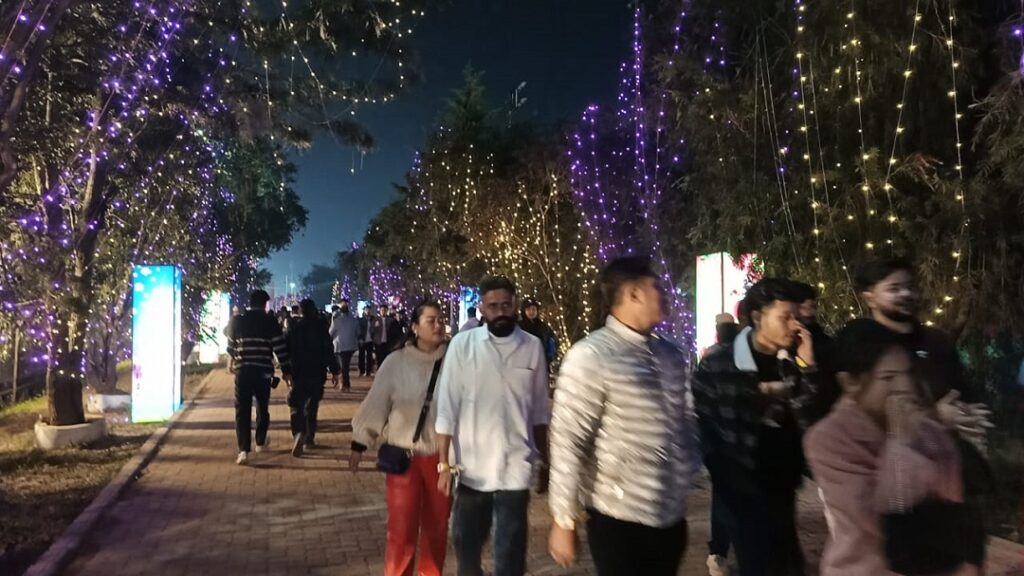
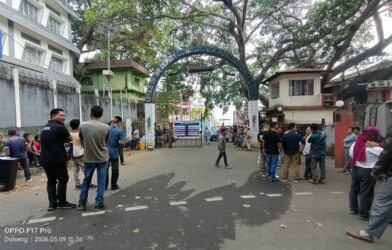
On Thursday evening, large crowds gathered outside Ward’s Lake and Polo Ground, hoping to experience the festive ambience from afar. Police had to implement strict crowd-control measures as thousands stood outside, taking photos, walking around the cherry blossoms, or watching the lights and sounds from a distance. Food trucks were overwhelmed, and open spaces were filled with groups of youth, families and children simply soaking in whatever they could without entering the venue.
“The ticket is too expensive. We came just to enjoy the view from outside,” said a young woman from Laban. Many others echoed this concern, with ticket prices running into several hundred rupees — unaffordable for a large section of local youth.
While the festival generates significant revenue and boosts Meghalaya’s image, it also highlights the divide between economic beneficiaries — such as hotels, shops, taxis and vendors — and ordinary citizens who mainly experience crowding, traffic and rising costs. The Government remains the biggest long-term beneficiary, gaining visibility, tourism income and political goodwill. The public benefits too, but unevenly, with many residents bearing the inconvenience rather than reaping any economic reward.
As the Cherry Blossom Festival continues to grow, so does the call for more inclusive planning, affordable access and better crowd and price management, ensuring that the celebration becomes truly enjoyable for all.