
Shillong, September 9, 2025 –
The Meghalaya Legislative Assembly on Tuesday witnessed an intense debate on the growing menace of drug abuse, after Nongkrem MLA and VPP President, Bah Ardent Miller Basaiawmoit, moved a special motion highlighting what he described as an “alarming and destructive” situation threatening the state’s youth.
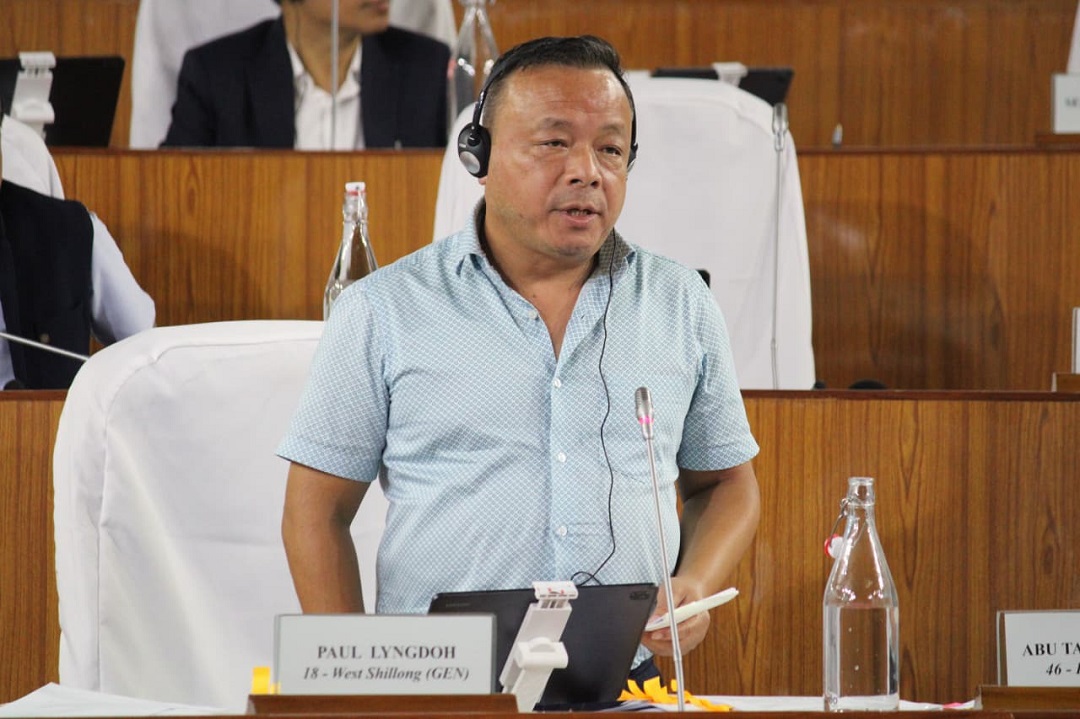
Responding to the motion, Social Welfare Minister Bah Paul Lyngdoh admitted the gravity of the crisis and outlined a series of measures being undertaken by the state to curb both trafficking and addiction.
“Drug abuse is no longer just a local or state problem; it is a national crisis. As leaders, guardians, and members of society, we must recognize the cumulative harm drugs are causing to families and communities,” Lyngdoh said.
Enforcement Measures
The Minister informed the House that Meghalaya is enforcing the NDPS Act, 1985, along with the Prevention of Illicit Traffic in Narcotic Drugs and Psychotropic Substances Act, 1988. Key highlights included:
Five repeat offenders currently detained under the Acts.
Provisions enabling attachment of properties and freezing of bank accounts of traffickers and their families.
63 NDPS cases registered in the past five years, resulting in 1,069 arrests.
56 drug seizure cases disposed through incineration, including heroin and cannabis.
Establishment of a dedicated NDPS police station and 12 district-level enforcement units.
Rehabilitation and Prevention
Lyngdoh emphasized that Meghalaya is among the first states to adopt a comprehensive rehabilitation approach:
12 rehabilitation centres are currently operational under state, central, and private initiatives.
An Integrated Centre for Addicts, supported by the Ministry of Social Justice.
Plans to expand rehab facilities to districts and prisons without such centres.
15,639 individuals benefitted so far from outreach programmes.
Partnership with the Society for Promotion of Youth and Masses (SPYM) to train teachers in preventive education.
The “Dream Mission”, under the Chief Minister, coordinating inter-departmental strategies.
Awareness drives reaching 13,428 students across 1,226 schools and institutions.
Involvement of faith leaders and Village Defence Parties (VDPs) in awareness and monitoring.
Call for Collective Action
While stressing the government’s commitment to intensify law enforcement and expand rehabilitation, Lyngdoh underscored the need for a collaborative approach.
“Civil society, faith leaders, teachers, parents, and the government must work hand in hand. Only through united effort can we contain and control this menace,” he said.
The motion and response marked one of the most comprehensive discussions in recent years on the drug crisis, underscoring its emergence as a major social and political concern in Meghalaya.