

SHILLONG, NOV 28: The Meghalaya AIDS Control Society (MACS) has reaffirmed its commitment to making Meghalaya HIV-free by 2030, urging citizens to take collective responsibility to prevent the spread of the virus. Addressing the media at the Shillong Press Club, Dr. K. L. Iawbor, Project Director of MACS, said that while testing, awareness, and treatment initiatives have expanded, HIV cases continue to rise largely because many individuals are reluctant to undergo testing—particularly those engaging in unprotected heterosexual activities.
“Preventing the spread of HIV is the responsibility of every individual. We must all work together if we want the state and the country to become HIV-free by 2030,” Dr. Iawbor stated.
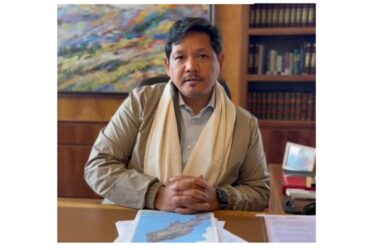
She informed that Chief Minister Conrad K. Sangma will attend the upcoming programme as the Chief Guest, along with Ministers, MLAs, nursing and paramedical students, and people living with HIV. The event will conclude with a Bike Rally from the State Convention Centre to the Deputy Commissioner’s Office and back.
Testing Data
Between September and November, MACS conducted statewide testing through multiple channels:
6,882 people tested at static camps
10,181 through static screening
5,801 through extended outreach
From these, 24 individuals tested HIV positive, while an additional 87 cases were identified by outreach teams visiting rural areas and localities.
HIV Trends in High-Risk Groups
Bah Wilson Dohling, Deputy Director (Prevention), reported a significant decline in cases among Injecting Drug Users (IDUs):
Year Cases
2023–24 52
2024–25 28
Apr–Oct 2025 10
He emphasized that IDUs, MSM (Men who have sex with men), and FSW (Female Sex Workers) must undergo testing every six months, and noted that coverage among high-risk groups has consistently reached 85–86%. All individuals who tested positive have been linked to ART Centres for treatment.
Dr. Iawbor called for the government to establish more testing centres in rural locations, stressing accessibility challenges faced in remote regions.
Bah Dohling said MACS is collaborating with the Social Welfare Department and various Targeted Intervention NGOs to support vulnerable groups, including poor individuals and drug users. He added that efforts are underway to shift IDUs to Opioid Substitution Therapy (OST) to reduce transmission risks.
“Our goal is clear—to stop the spread of HIV and bring about an HIV-free Meghalaya,” Dr. Iawbor said.