
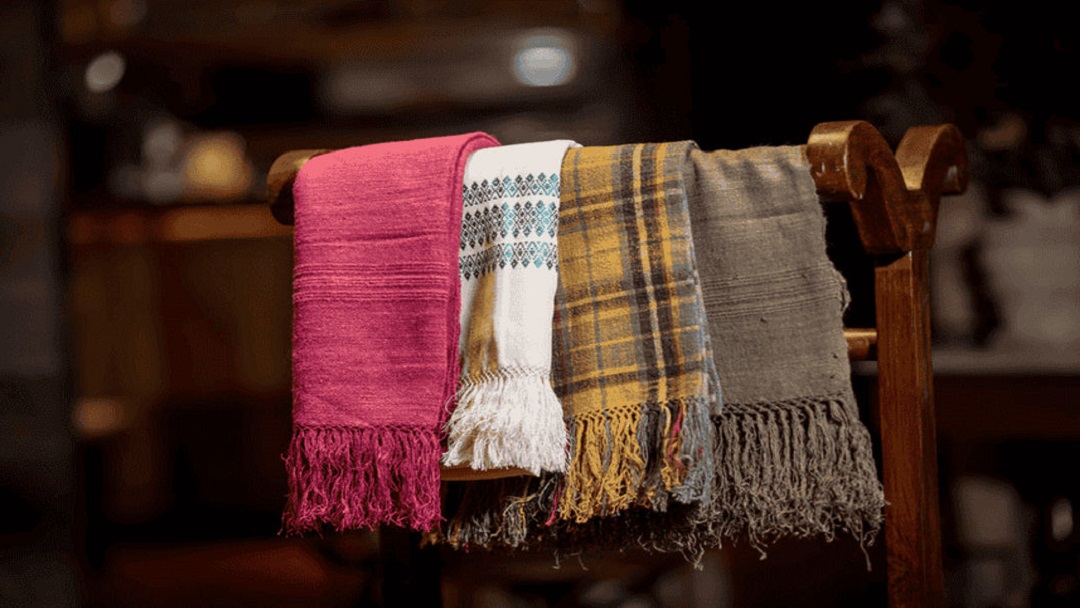
Shillong, December 29, 2025: The Ministry of Textiles, Government of India, has identified the Geographical Indication (GI) tag granted to Meghalaya’s traditional fabric Ryndia as one of the most significant achievements and success stories of India’s textiles sector in 2025.
With 2025 declared the Year of Textile Reforms, the Indian textiles and sericulture sector witnessed notable expansion and structural improvements. India retained its position as the world’s second-largest producer of silk, recording substantial gains across key performance indicators.
According to official data, raw silk production increased to 41,121 metric tonnes in 2024–25, marking a 55 per cent rise from 26,480 metric tonnes in 2013–14. Silk productivity also improved by 16.75 per cent, increasing from 96 kg per hectare to 112 kg per hectare during the same period. Mulberry cocoon prices saw significant growth, rising by 46 per cent from ₹384 per kg in 2013–14 to ₹560 per kg in 2024–25.
Employment in the sericulture sector expanded considerably, registering a 23.95 per cent increase—from 78 lakh people in 2013–14 to 98 lakh people in 2024–25. The sector continues to play a crucial role in sustaining rural livelihoods and strengthening women’s participation in economic activities.
The GI recognition of Meghalaya’s Eri silk, Ryndia, has emerged as a landmark development within this broader reform framework. The recognition has contributed to improved incomes for cocoon farmers, enhanced rural employment opportunities, increased participation of women, innovation through GI-based branding, and the promotion of sustainable and eco-friendly silk production practices.
The Ministry noted that the success of Ryndia underscores the Government of India’s commitment to protecting traditional textiles, empowering rural communities, and strengthening India’s position in the global textiles and silk industry.