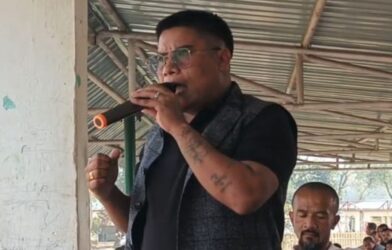

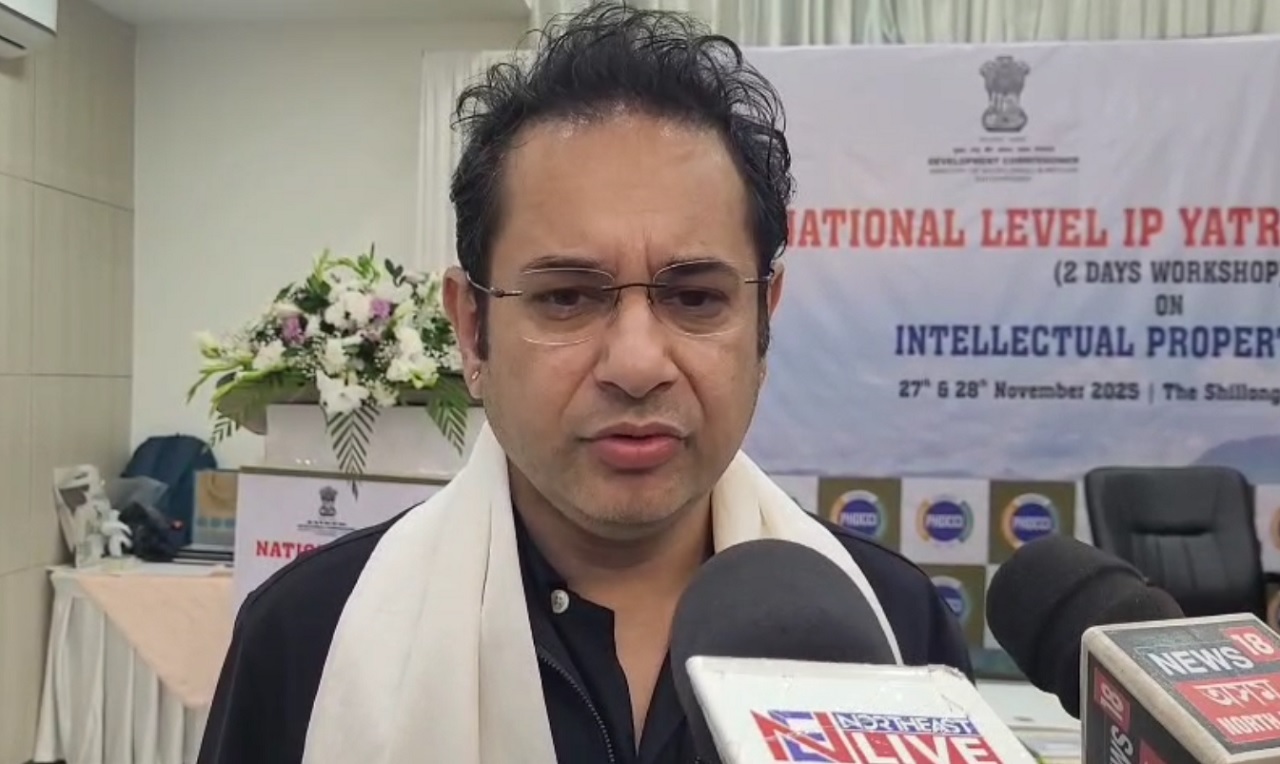
SHILLONG, Nov 28: TIPRA Motha founder Pradyot Bikram Manikya Deb Barma has called for a united political front of Northeastern states to effectively push long-pending regional and indigenous issues before the Union Government. Speaking at a public interaction on Thursday, Pradyot said the Northeast has suffered for decades because political parties and leaders from the region often work in isolation, weakening their collective strength in national decision-making.
He stressed that New Delhi responds only to a consolidated political voice, and that fragmented leadership makes it easier for central authorities to overlook or dilute the region’s concerns. A unified Northeast political bloc, he said, is essential to secure constitutional protection for indigenous communities, land and resource rights, cultural and demographic safeguards, and stronger measures to address cross-border migration and security challenges.
Pradyot emphasised that the effort is not about forming a new political party or adopting a new banner, but about coordinating a shared regional agenda rooted in common goals and people-first priorities. He cautioned leaders not to be distracted by symbolic politics or party flag-driven rhetoric and instead focus on issues affecting the daily lives and cultural survival of indigenous populations.
Highlighting the need for strong legal mechanisms to prevent land alienation, he said land is more than an economic asset—it is a foundation of identity, culture, and self-determination for tribal communities. He noted that unchecked migration and demographic shifts pose serious threats to several Northeastern states and called for collective pressure on the Centre to implement protective measures similar to the Inner Line Permit (ILP) in states such as Mizoram and Nagaland.
Pradyot appealed to leaders of Assam, Meghalaya, Tripura, Manipur, Nagaland, Mizoram, Sikkim, and Arunachal Pradesh to put aside party differences and work together. He also urged student bodies, civil society organisations, and community elders to support the movement, saying unity among the people is equally important.
“If we stand together, Delhi will have no choice but to listen. If we remain divided, our issues will continue to remain pending for generations,” he said, concluding his address with a strong message of regional solidarity and urgency.