
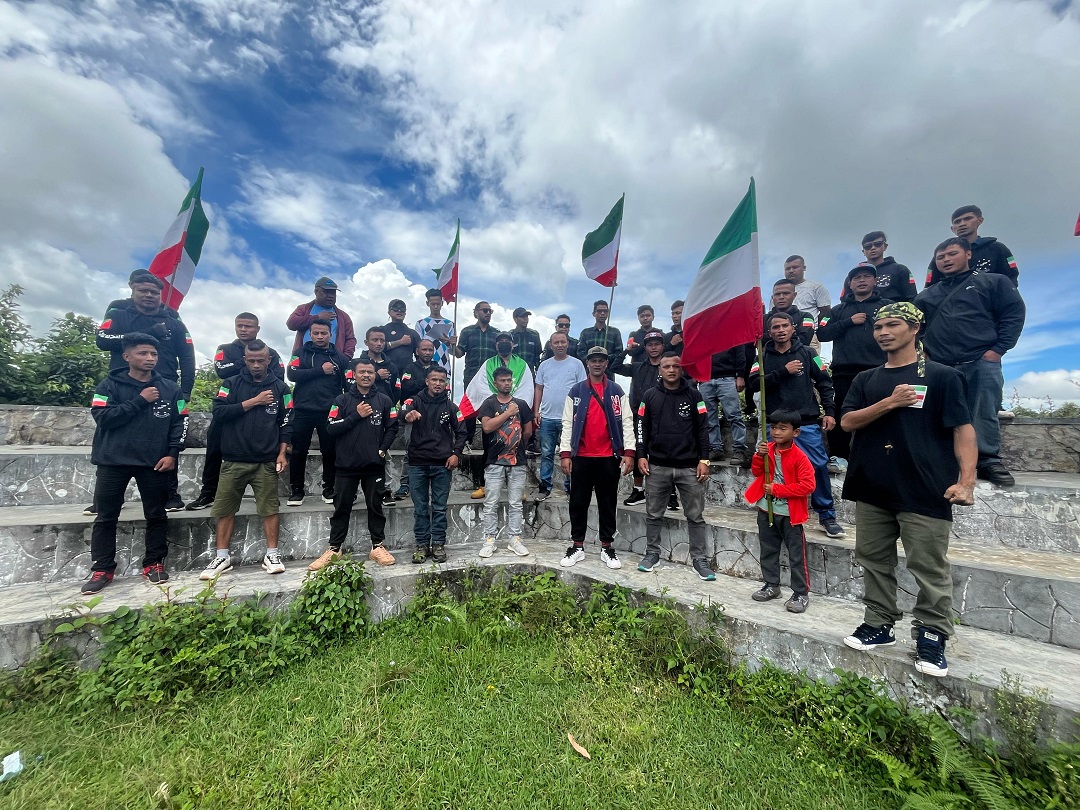
HILLONG, APR 17: The Hynniewtrep Integrated Territorial Organization (HITO) has urged Chief Minister Conrad K Sangma to implement the Ramsar Convention on Wetlands in Meghalaya, demanding Ramsar site status for Umiam and Nongkhyllem to ensure protection of ecologically vital areas.
In a letter submitted to Sangma on Friday, HITO president Donbok Dkhar said there is an urgent need for the implementation of The Ramsar Convention on Wetlands in our state of Meghalaya.
“After conducting extensive research and analysis, we believe that it is crucial to address the importance of this international treaty, which was adopted on February 2, 1971, in Ramsar, Iran,” the letter stated.
Dkhar noted that the treaty provides a comprehensive framework for the conservation and sustainable use of wetlands and their invaluable resources.
“The Ramsar Convention is the only global environmental treaty dedicated specifically to wetlands, emphasizing international cooperation to safeguard these critical ecosystems,” he said, adding that wetlands are essential for maintaining biodiversity, regulating water cycles, and mitigating the impacts of climate change.
The organisation pointed out that India became a contracting party to the Convention on February 1, 1982.
“As of early 2026, India boasts 98 designated Ramsar sites, with important examples including Chilika Lake in Odisha and Keoladeo National Park in Rajasthan,” the letter said. It flagged Meghalaya’s absence from the list.
“In the Northeast, while states like Assam and Tripura have Ramsar sites—such as Deepor Beel and Rudrasagar Lake respectively—Meghalaya unfortunately remains without any designated Ramsar site,” Dkhar wrote.
“This absence is largely attributed to a lack of political will and administrative action directed towards wetland conservation.”
Citing the ongoing Green Tech Foundation agitation to preserve Lumpongdeng, HITO said the state must “act decisively to implement Ramsar site status for significant wetlands in Meghalaya, particularly for Umiam and Nongkhyllem, to ensure the protection and preservation of these ecologically vital areas.”
“Furthermore, we advocate for the consideration of additional wetlands in our state, as needed, to secure their ecological integrity,” the letter added.
“We hope that our demand will be acknowledged and acted upon promptly, as we must take proactive measures to safeguard the natural heritage bestowed upon us,” Dkhar said while emphasizing that protecting these ecosystems is not only a responsibility but also a moral obligation to ensure that we leave a thriving environment for future generations.