
Shillong, June 11: Former Rajya Sabha MP W.R. Kharlukhi has underscored the need for rural development initiatives to focus not only on infrastructure creation but also on generating sustainable livelihood opportunities for people living in Meghalaya’s villages.
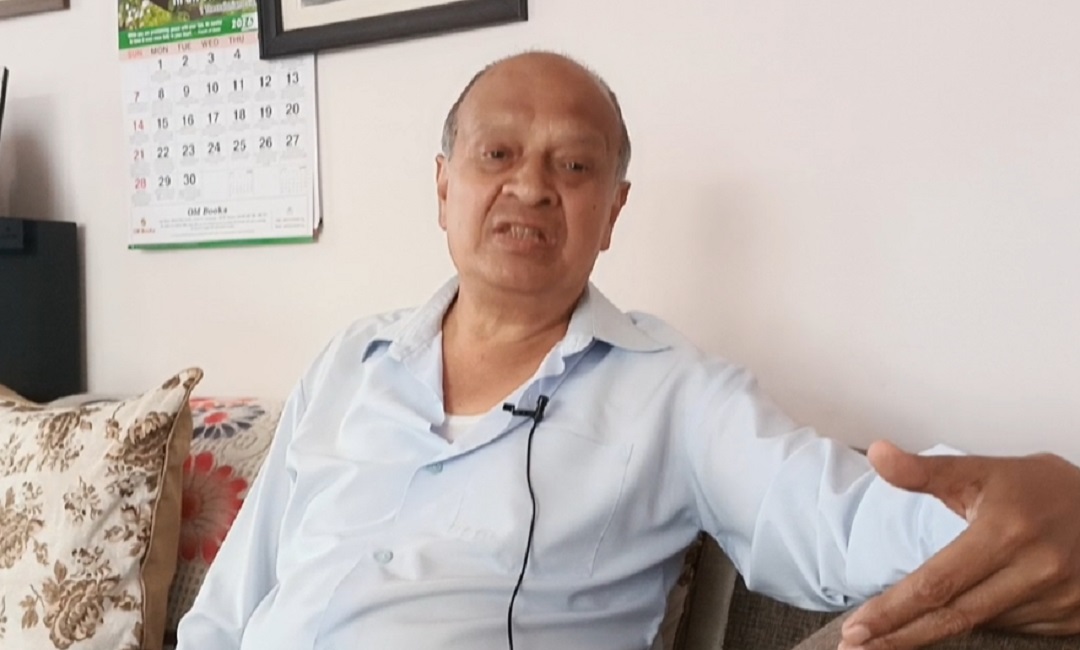
Speaking to media persons in Shillong, Dr. Kharlukhi highlighted several livelihood-oriented projects undertaken during his tenure, stating that the primary objective was to create long-term economic opportunities for rural communities without imposing financial burdens on beneficiaries.
He pointed to the Model Village projects established in Mawlyndep in Ri Bhoi District, Khlieh Asem in East Khasi Hills District, as well as villages across Jaintia Hills and Garo Hills, describing them as examples of community-driven development aimed at promoting economic self-reliance through the use of local resources and sustainable practices.
Among the notable initiatives, Dr. Kharlukhi highlighted the introduction of Biofloc fish farming in Mawlyndep, which has enabled villagers to adopt modern aquaculture techniques that require less land and water while offering improved returns for farmers.
Emphasizing the importance of a sustainable rural economy, he said greater attention should be given to sectors such as agriculture, fisheries, tourism, and allied activities that can generate employment and income within villages. According to him, development efforts should extend beyond physical infrastructure and focus on improving the economic well-being of rural households.
Dr. Kharlukhi noted that Meghalaya possesses significant potential in areas such as eco-tourism, agriculture, and related sectors. He expressed hope that future development strategies would continue to empower rural communities through self-sustaining economic models capable of enhancing livelihoods and improving overall quality of life.
He also stressed that active community participation remains crucial for the success of development programmes and urged local stakeholders to take ownership of projects implemented in their respective areas to ensure their long-term sustainability.