
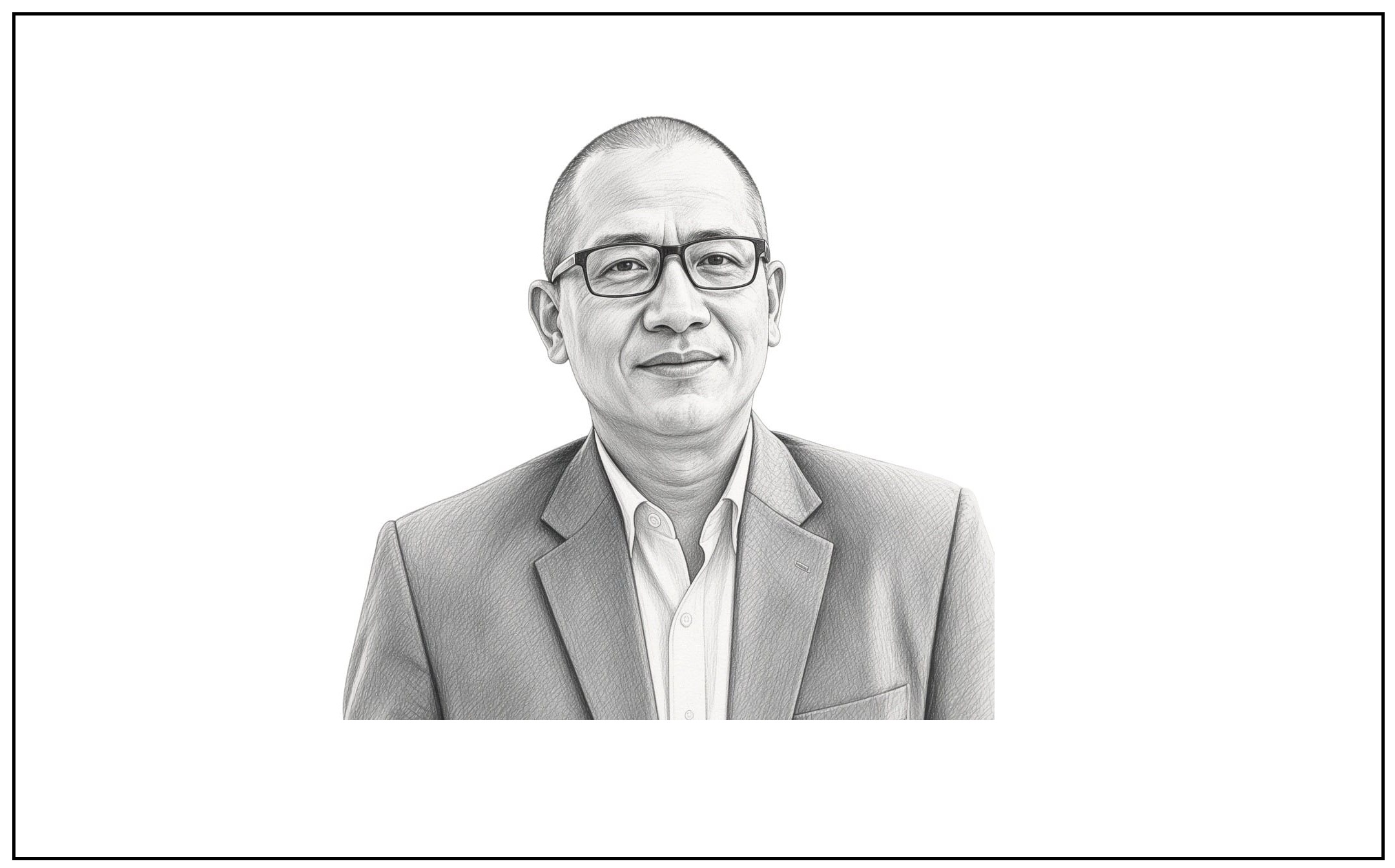
By Dr. Yumri Taipodia
The story of the Christian Revival Church (CRC) Redputu is rooted in a simple but profound commitment: to share the Gospel, seek the salvation of people and bring communities under the Lordship of Jesus Christ. From its earliest days, the church was strongly mission-oriented, with its pioneers relying on prayer, fasting and the leading of the Holy Spirit as they carried out the Great Commission.
A Ministry Founded on Prayer and Fasting
During the formative years of CRC Redputu, prayer and fasting became central to the ministry of its pioneering members. With limited theological education and resources, they turned to spiritual disciplines as their principal means of evangelism.
Their approach was practical rather than theoretical. They believed that an individual’s personal encounter with God could become the foundation for a vibrant Christian community. As the ministry bore fruit, the pioneers intensified their commitment to prayer and fasting, witnessing what they understood as God’s blessing upon their efforts through the growth of the church.
This emphasis on spiritual experience shaped the character of the emerging congregation. The early believers sought the presence of the Holy Spirit through prayer, worship and revival songs, while personal testimony and the preaching of Scripture helped strengthen the faith of the congregation.
Evangelism Through Relationships and Community
One of the distinctive features of the early ministry was its emphasis on personal relationships. The pioneers regularly visited friends, relatives and members of the wider community to share the Good News.
Door-to-door evangelism became particularly effective because of the close social relationships within the Galo community. Family connections, friendship networks and traditional community practices created opportunities for the early believers to reach people in their homes.
With the Bible in hand, they visited non-Christians to share the Gospel and fellow Christians to encourage spiritual renewal. House visitation subsequently became an important factor in the expansion of the church.
A Community Open to All
The early CRC Redputu community also developed a strong sense of belonging among people from different social and economic backgrounds.
The pioneers themselves experienced hardship and, according to the account, faced isolation after embracing their new faith. This created a strong desire for fellowship and companionship. Consequently, the emerging church welcomed people regardless of their social position or economic circumstances.
People who were economically disadvantaged, physically weak and widowed were among those who became early members. The congregation did not make distinctions based on gender or wealth. Worshippers were also given opportunities to participate and share when they believed they were being led by the Holy Spirit.
Holiness as a Foundation of Christian Life
Personal holiness was another defining characteristic of the early movement. The pioneers regarded holy living as an essential qualification for discipleship and membership in the church.
They sought to avoid practices they considered harmful to both physical and spiritual life, including alcohol and intoxication. The account also records their rejection of polygamy and polyandry, practices that had been socially accepted in parts of the Galo community at the time.
Their understanding of Christian life was therefore not limited to worship services. Faith was expected to be reflected in everyday conduct, words and relationships. The anticipation of Christ’s Second Coming further strengthened their emphasis on living a consecrated life.
Healing and Compassionate Ministry
Healing ministry became another significant dimension of CRC Redputu’s early work.
Having experienced healing ministry themselves, the pioneers developed a particular concern for people suffering from illness. They prayed for the sick during church gatherings and visited people in their homes and hospitals, sometimes even without a formal invitation.
The account records instances in which people were believed to have experienced healing following prayer. Such testimonies became opportunities for sharing the Gospel, with some individuals and families subsequently embracing the Christian faith.
For the pioneers, healing was therefore closely connected with compassion and evangelism. Their concern extended especially to vulnerable people facing serious illness and hardship.
A Revival Movement Shaped by Faith
The early believers of CRC Redputu understood their movement as a spiritual awakening rather than merely the establishment of another religious institution. They sought to reproduce what they saw in the ministry of the early Church, frequently drawing inspiration from the Acts of the Apostles.
Their ministry combined prayer, Scripture, worship, personal testimony, evangelism, fellowship and service to people in need. In the absence of elaborate structures during the early period, the emphasis remained firmly on personal faith and spiritual experience.
Growth Attributed to God’s Grace
Looking back at the church’s early journey, the account presents its growth not primarily as the product of human planning or institutional strategy, but as an expression of God’s grace.
The pioneers are portrayed as ordinary people who made themselves available for God’s service. Their sacrifices, testimonies and evangelistic efforts became instruments through which the Christian community expanded in the Basar area.
The story of CRC Redputu thus offers a picture of a Christian movement whose early identity was shaped by prayer, spiritual experience, evangelism, holiness, healing, fellowship and an unwavering commitment to the Great Commission.
For the pioneers, the strength of the church did not rest first on buildings, programmes or theological credentials. It rested on a conviction that God could use ordinary believers who were willing to pray, serve, witness and live out their faith.
As Dr. Yumri Taipodia concludes, the journey of CRC Redputu stands as a testimony to what its pioneers understood as God’s work among the people of the Basar region—an enduring reminder that revival begins when faith moves beyond words and becomes a way of life.