

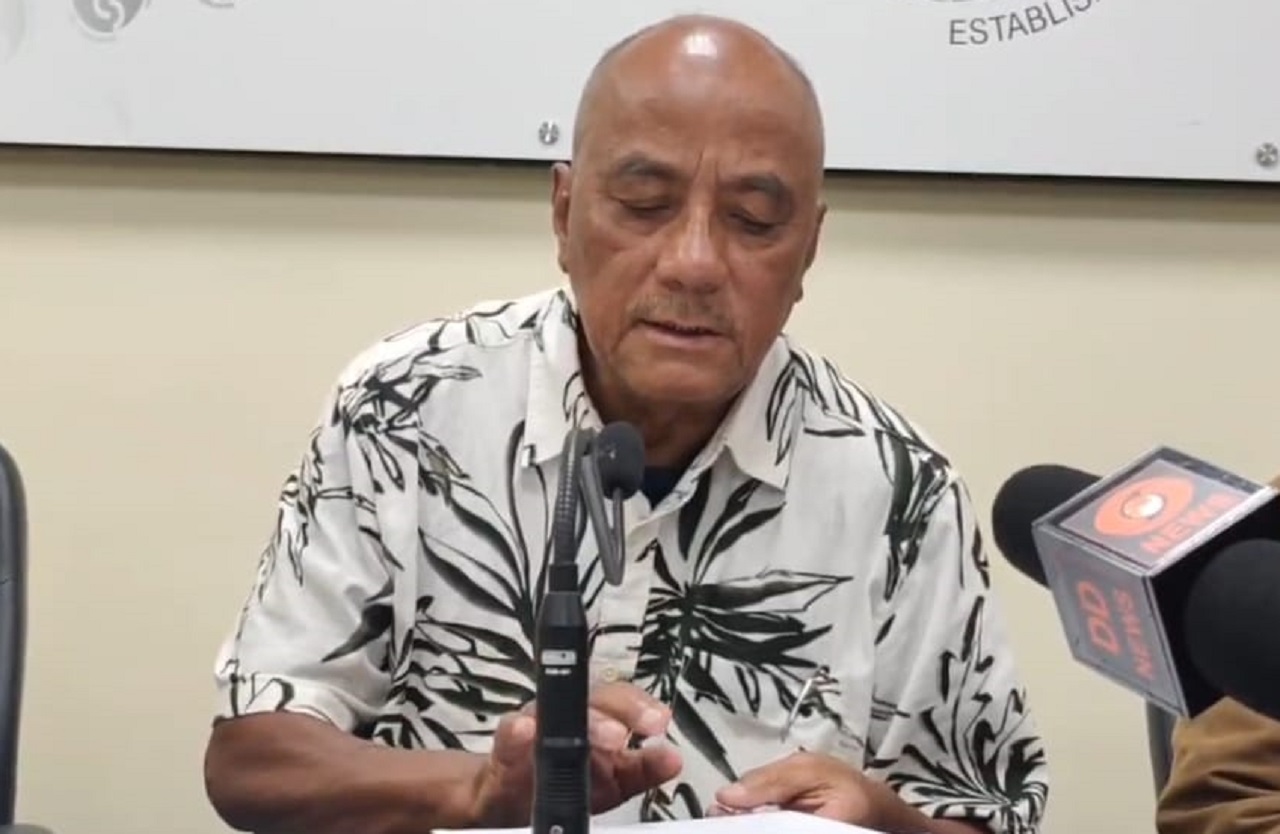
Shillong, September 28, 2026: Maitshaphrang has urged the Meghalaya State Commission for Women (MSCW) to press the state government for effective implementation of the Meghalaya Compulsory Registration of Marriage Act, 2012, and restoration of provisions deleted through a 2022 amendment, stating that stronger enforcement could improve legal protection for women and children facing marital abandonment.
In a representation submitted to the Commission on Monday, Maitshaphrang convenor Michael N. Syiem highlighted concerns over cases in which women and children are allegedly abandoned without maintenance or financial support, leaving them vulnerable to economic hardship and legal difficulties.
According to Syiem, the absence of documentary proof of marriage can place women at a disadvantage when seeking maintenance, inheritance, custody and other legal remedies.
The organisation recalled that Chief Minister Conrad K. Sangma, while replying to a zero-hour notice raised by North Shillong MLA Adelbert Nongrum in the Meghalaya Legislative Assembly on March 11, 2021, had acknowledged the importance of marriage registration.
According to the representation, the Chief Minister had observed that some couples live together without formally solemnising or registering their marriages. When such relationships break down, women may face difficulties establishing the marital relationship due to the absence of supporting documents.
Maitshaphrang maintained that effective implementation of the law would ensure that married women possess documentary evidence of their marital status, helping them establish claims to maintenance, inheritance, family benefits and other legal protections.
The 2012 Act applies to marriages involving people belonging to any caste, tribe or religion, including those solemnised according to customary practices and traditions. It requires the prescribed memorandum to be submitted to the area registrar, ordinarily within 60 days of the marriage, while also providing for delayed registration.
The organisation also referred to a study reportedly conducted in 2016 by the MSCW in collaboration with North-Eastern Hill University and Martin Luther Christian University. Citing former MSCW chairperson Phidalia Toi’s publication, Matrilineal System in Meghalaya, Maitshaphrang said single mothers accounted for approximately 13.25 per cent of the female population covered by the study.
It further cited observations reportedly made in 2023 by then Director General of Police L.R. Bishnoi, who had identified broken families and single motherhood among circumstances that could increase the vulnerability of children and young people to exploitation and human trafficking.
A major concern raised in the representation was the Meghalaya Compulsory Registration of Marriage (Amendment) Act, 2022, which removed references requiring marriage certificates to be furnished for “all official purposes” from the preamble and Section 3 of the original legislation.
The state government had explained that the law was intended to ensure marriage registration rather than regulate the use of marriage certificates by other government departments or under separate legislation.
Maitshaphrang, however, argued that the deletion had weakened the practical enforcement of the Act by reducing the incentive for couples to register their marriages, despite registration remaining compulsory.
The organisation has urged the MSCW to take up the matter with the state government and seek restoration of the deleted provisions, along with a clear specification of the official purposes for which marriage certificates should be required.
As an immediate measure, Maitshaphrang proposed making marriage certificates mandatory when married individuals apply for Scheduled Tribe, caste or similar official certificates. It argued that linking marriage registration with essential government documentation could encourage compliance with the law.
The organisation clarified that its demand was not simply intended to introduce another administrative requirement but to strengthen legal documentation, protect the rights of women and children, and improve accountability in cases of marital abandonment.
Under the existing Act, wilful failure to register a marriage or submit the prescribed memorandum may attract imprisonment of up to six months, a fine of up to ₹1,000, or both. A certificate issued by the registrar serves as conclusive proof that the marriage has been registered.
Maitshaphrang has appealed to the Commission to treat the matter as a women’s rights and social welfare issue and initiate consultations with the departments concerned.
Marriage registration under the Act is currently available through Meghalaya’s e-District portal. The East Khasi Hills district administration also issued a public notice in March 2026 announcing the availability of the online service.