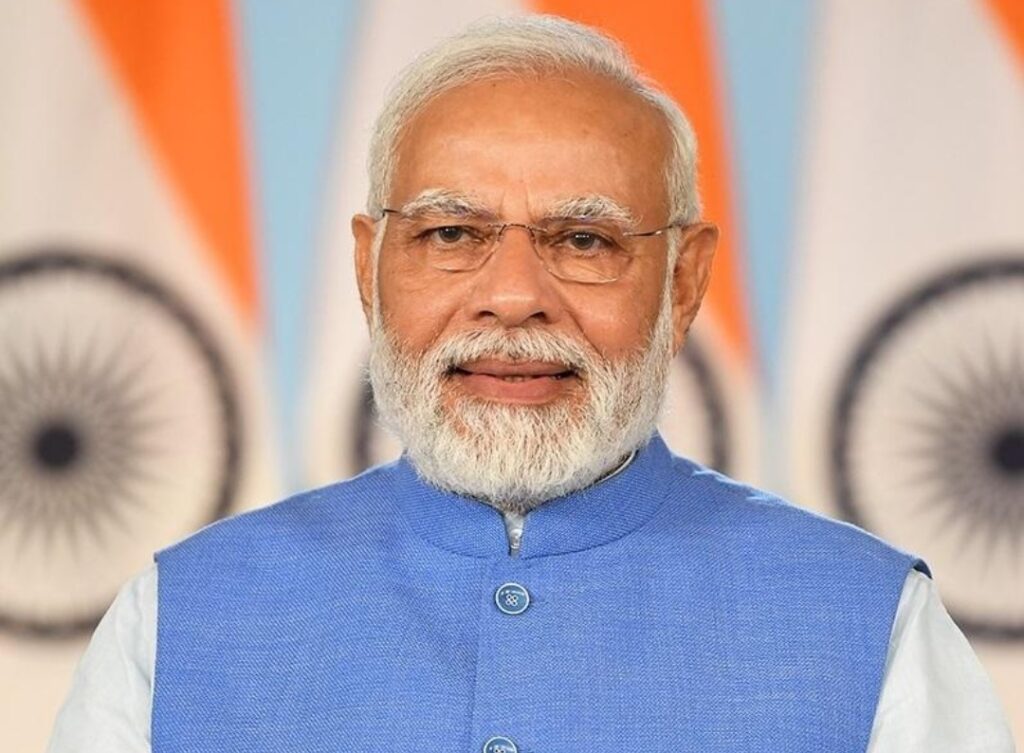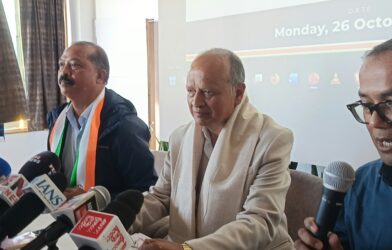

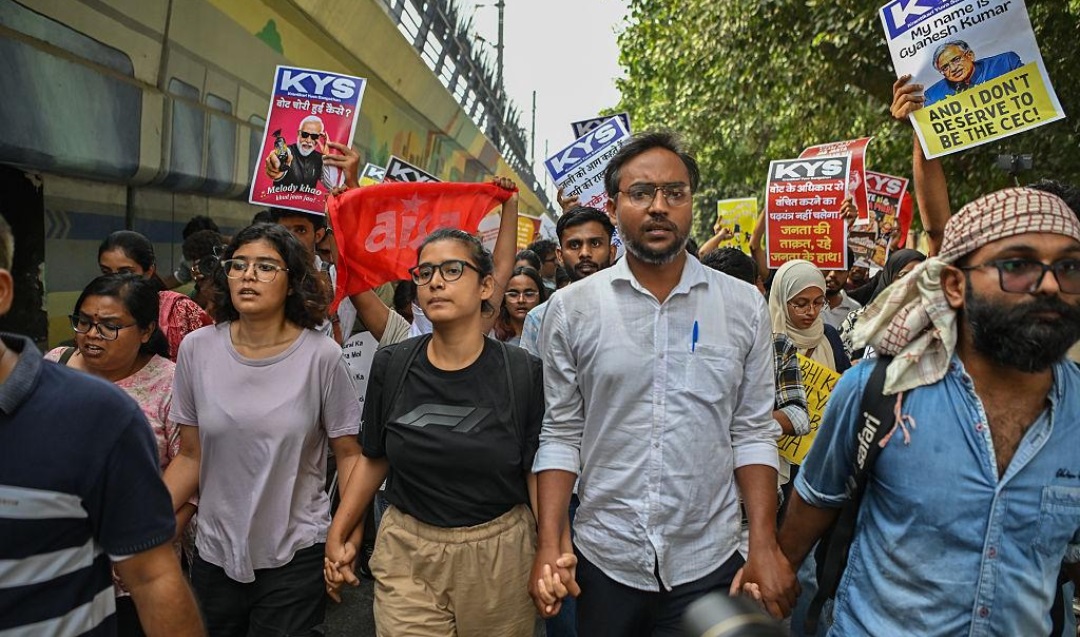
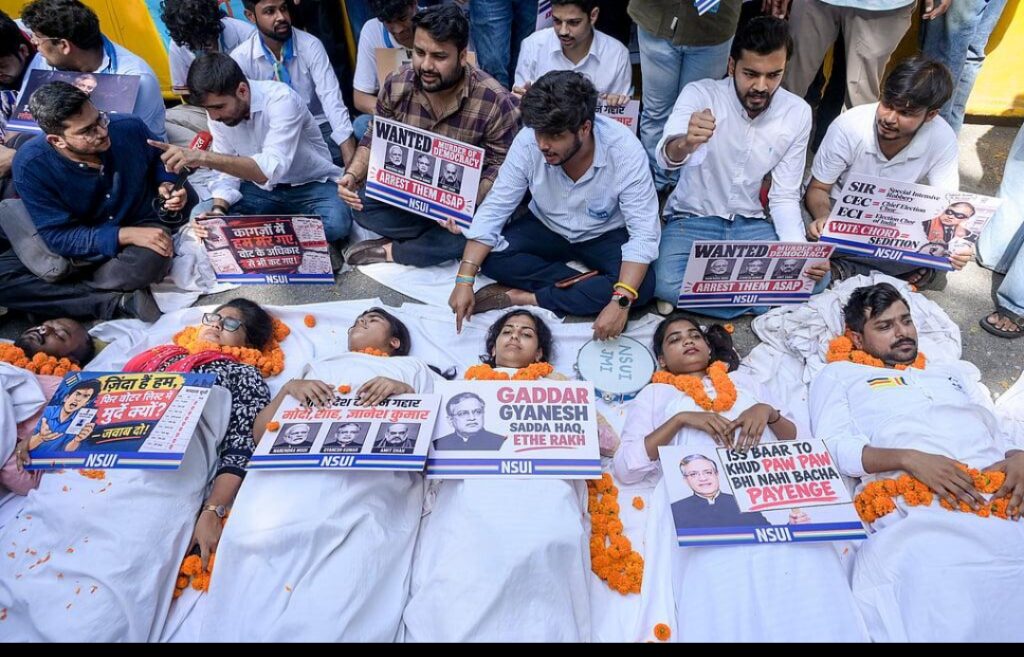
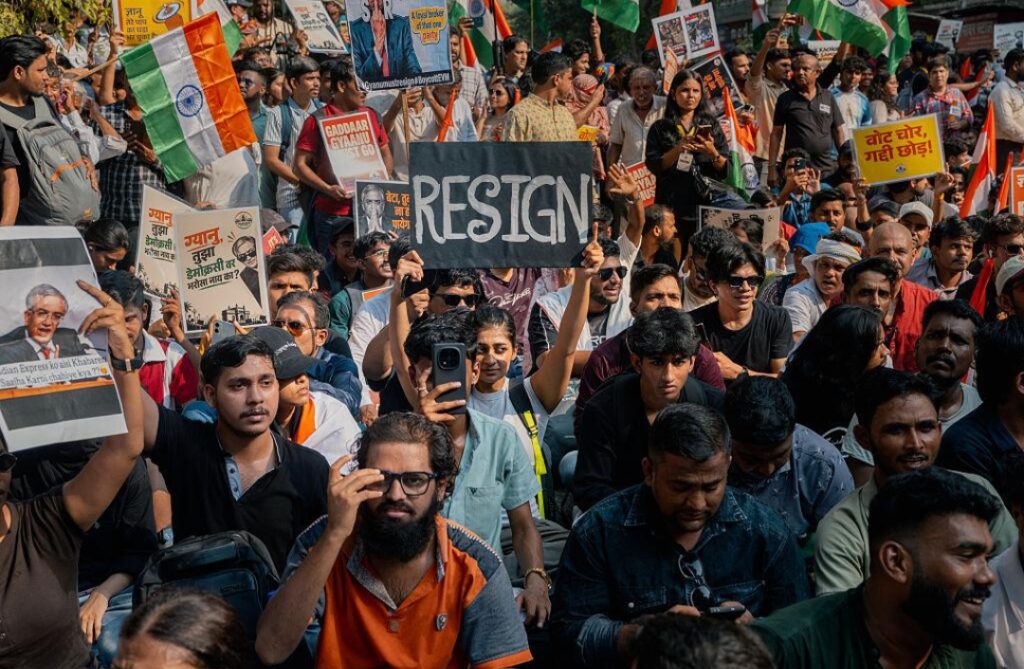
The debate over Gyanesh Kumar’s continuance as India’s Chief Election Commissioner (CEC) raises a fundamental question about Indian democracy: how much confidence do citizens have in the institution responsible for conducting free and fair elections?
The credibility of a democracy depends not only on the regular conduct of elections but also on the independence, transparency and accountability of the institutions that administer them. The controversy surrounding the Chief Election Commissioner must therefore be examined through the lens of constitutional principles, verifiable evidence and the Election Commission of India’s performance.
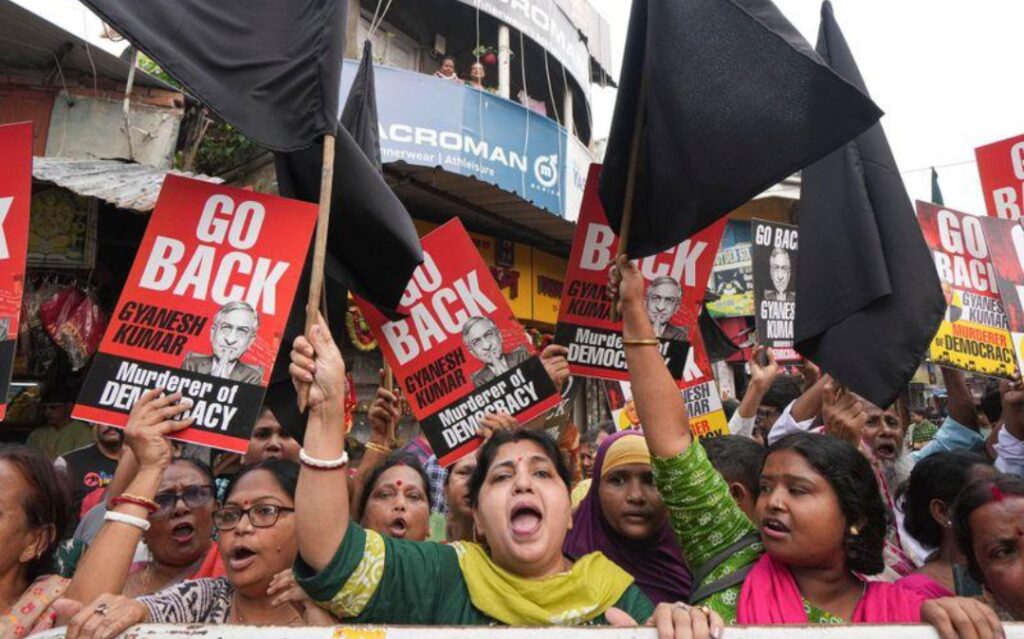
The Election Commission and Public Confidence
The Election Commission of India (ECI) is responsible for administering elections to Parliament and state legislatures, as well as elections to the offices of the President and Vice-President. The preparation and revision of electoral rolls constitute an essential part of this responsibility. The accuracy of these rolls directly affects citizens’ ability to exercise their constitutional right to vote.
Consequently, public confidence in the Commission is central to the legitimacy of the electoral process. Allegations of arbitrary decisions, administrative lapses or the exclusion of eligible voters require serious examination. At the same time, conclusions about institutional misconduct must be based on credible evidence rather than political assertions alone.
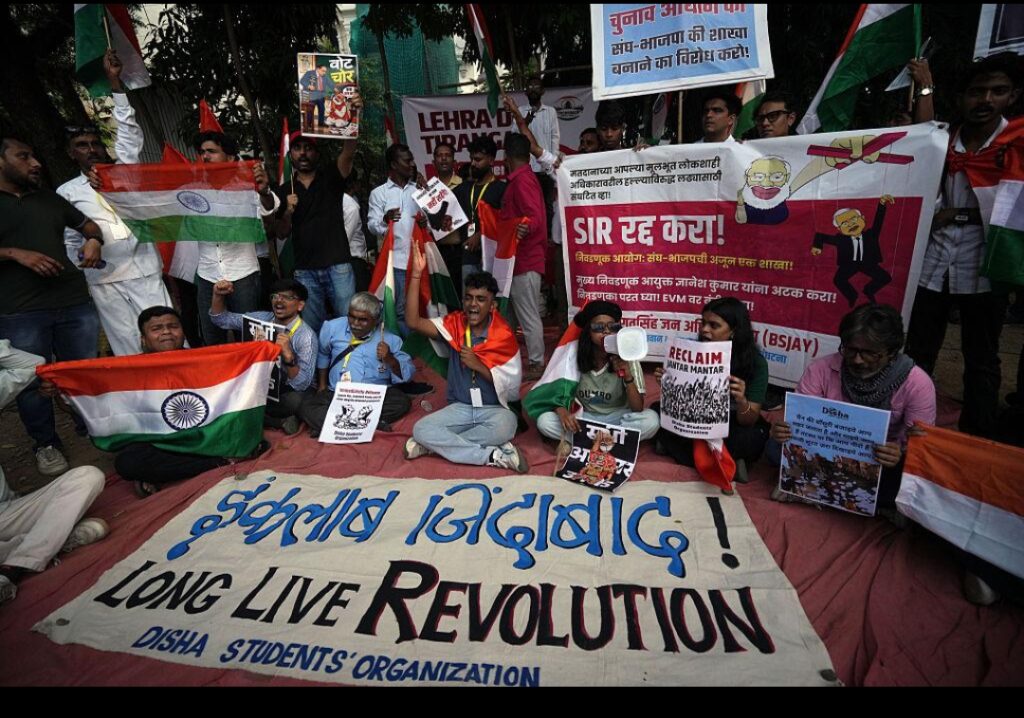
The Special Intensive Revision Controversy
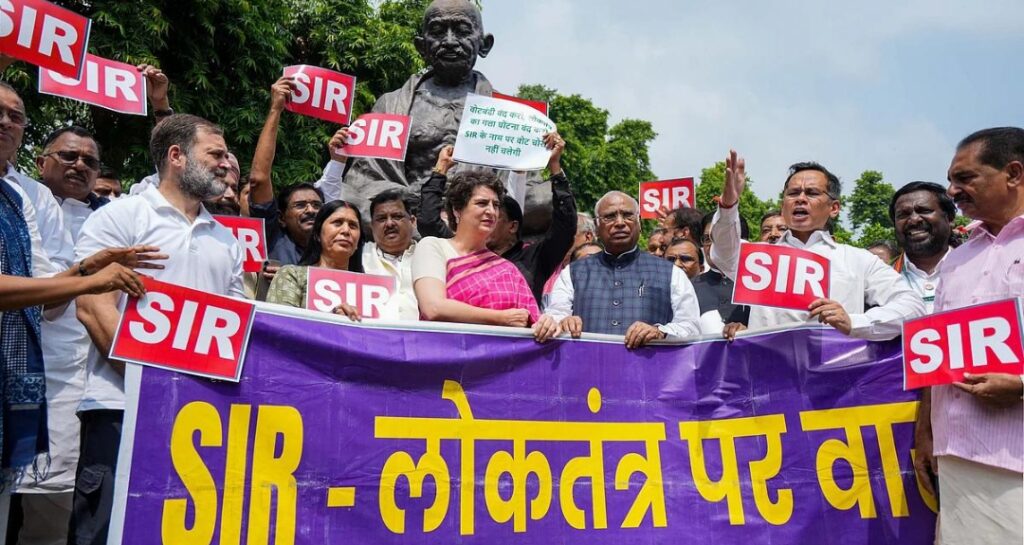
Opposition to Kumar has intensified over the Special Intensive Revision (SIR) of electoral rolls. Opposition parties and the Cockroach Janta Party (CJP), as identified in the account underlying this article, have alleged that the exercise could result in the disenfranchisement of eligible citizens. The ECI and the Bharatiya Janata Party (BJP), however, have rejected allegations that the exercise is intended to confer political advantage.
The central issue is whether the revision process adequately safeguards the voting rights of all eligible citizens. Electoral roll revisions must follow transparent procedures, provide affected individuals with a fair opportunity to establish their eligibility, and offer accessible mechanisms for correcting errors and challenging exclusions.
An allegation does not, by itself, establish wrongdoing. Equally, a denial cannot replace a detailed and evidence-based response to legitimate concerns. The Commission’s explanations, the procedures it follows and the remedies available to affected voters are therefore critical to evaluating the controversy.
Collective Responsibility and Institutional Accountability
According to the account cited in this article, the ECI informed the Supreme Court on October 26 that the decisions relating to the SIR had not been taken unilaterally by Kumar and that three relevant orders had received unanimous approval.
If accurately reported and considered in their full legal context, these statements are relevant to understanding how responsibility for the disputed decisions was exercised. They also raise a broader institutional question: to what extent should accountability rest with the Chief Election Commissioner individually, and to what extent should it rest with the Commission as a collective constitutional body?
The answer depends on the nature of the decisions, the applicable legal framework and the evidence concerning the roles played by the officials involved. Institutional accountability requires a careful examination of these factors rather than an assumption of individual responsibility or immunity.
Parliamentary Proceedings and the Demand for Removal
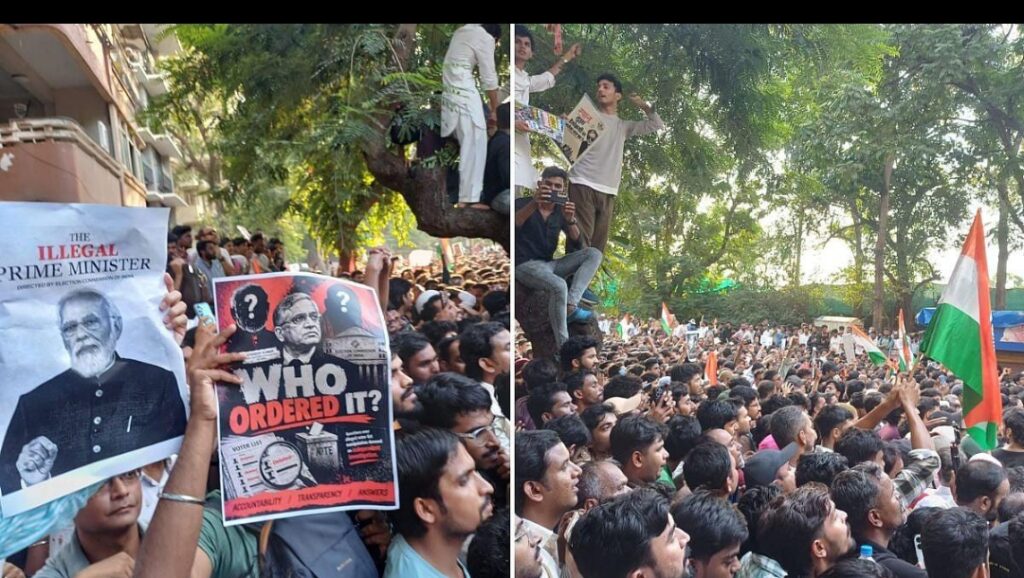
The controversy has also entered the parliamentary arena. According to the account cited here, a communication from the Lok Sabha Secretariat stated that a notice dated March 12, 2026, signed by 130 Lok Sabha members, was not admitted by the Speaker.
The rejection of a removal notice does not, on its own, establish either that the allegations were unfounded or that the decision was politically motivated. Such conclusions require an examination of the grounds cited in the notice, the applicable procedural requirements and the reasons for the decision.
The distinction between political disagreement and constitutionally established misconduct is particularly important in a democracy. A demand for removal may reflect concerns about institutional conduct, but the constitutional process must determine whether those concerns meet the prescribed legal threshold.
Constitutional Safeguards Governing Removal
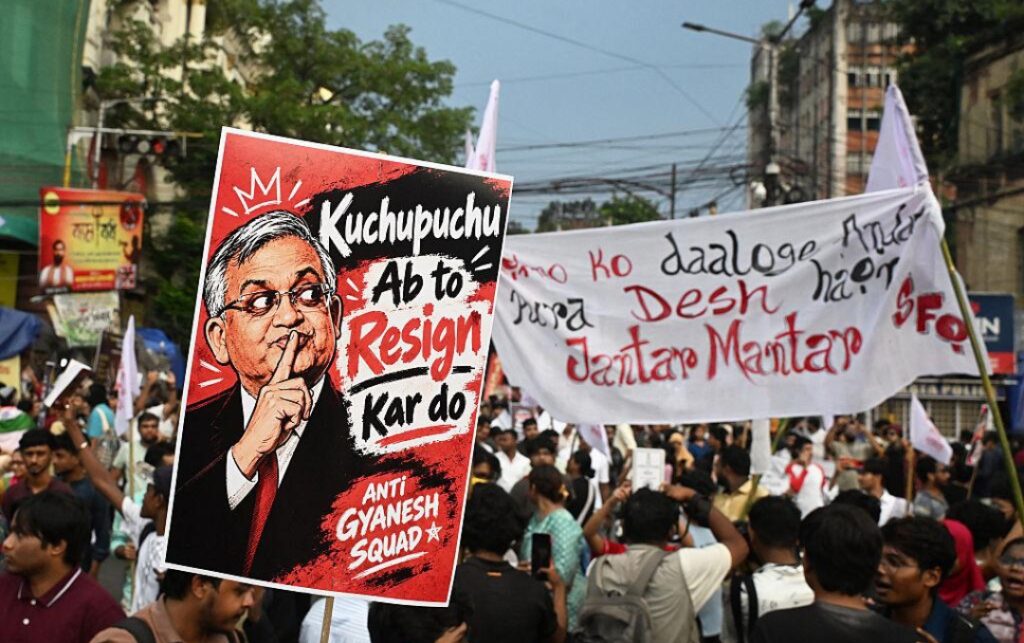
The Constitution establishes stringent safeguards governing the removal of the Chief Election Commissioner. Article 324(5) provides that the CEC cannot be removed from office except in the same manner and on the same grounds as a judge of the Supreme Court. Article 124(4) specifies the grounds of proved misbehaviour or incapacity for the removal of a Supreme Court judge.
These provisions are designed to protect the independence of the officeholder from arbitrary political pressure while preserving a constitutional mechanism for accountability.
The Judges (Inquiry) Act, 1968, lays down the procedure for investigating allegations against judges and is relevant to the statutory process governing such removal. A notice seeking the initiation of the process must be signed by at least 100 members of the Lok Sabha or 50 members of the Rajya Sabha. The Speaker or Chairman, as applicable, decides whether to admit the notice.
Meeting the required signature threshold permits the notice to be considered; it does not establish the truth of the allegations or guarantee admission.
Following admission, the prescribed inquiry process provides for a three-member committee comprising the Chief Justice of India or a Supreme Court judge, a Chief Justice of a High Court, and a distinguished jurist. It would therefore be inaccurate to suggest that the Chief Justice of India must personally chair every such inquiry.
Where notices are submitted in both Houses on the same day, the statutory provisions governing their admission and the constitution of a joint committee must be considered carefully. The inquiry committee is constituted through the prescribed statutory process following admission, not merely because notices have been submitted or rejected.
Ultimately, removal requires each House of Parliament to adopt an address to the President supported by a majority of the total membership of that House and by a majority of at least two-thirds of the members present and voting. Both conditions must be satisfied. The Constitution requires the addresses to be presented to the President in the same parliamentary session, but it does not require both Houses to vote on the same day. Removal takes effect through an order of the President after the constitutional requirements have been fulfilled.
These safeguards underline the seriousness of the removal process. They are intended neither to make the CEC immune from accountability nor to allow removal on the basis of political disagreement alone.
The Test Ahead: Transparency and Electoral Integrity
If Kumar continues in office, the Commission’s conduct will remain central to the debate over public confidence. The practical questions are straightforward: Are the grounds for its decisions explained clearly? Are errors in electoral rolls corrected promptly? Do eligible citizens receive a fair opportunity to establish their entitlement to registration? Are effective remedies available to people whose names are excluded?
The answers will influence public perceptions of the institution. Failure to address substantiated complaints could deepen mistrust, while transparent decision-making, timely corrections and accessible grievance mechanisms could strengthen confidence in the electoral process.
The Commission must also communicate clearly with the public. Electoral procedures can be complex, but citizens should not have to rely exclusively on political statements to understand decisions affecting their voting rights. Publicly accessible explanations, consistent application of rules and timely disclosure of relevant information can help reduce uncertainty and prevent avoidable disputes.
Conclusion: Independence Must Be Matched by Accountability
The controversy surrounding Gyanesh Kumar’s continuance as Chief Election Commissioner is ultimately part of a larger debate about the relationship between institutional independence and democratic accountability.
Protecting the independence of the Election Commission requires resistance to arbitrary political pressure. Preserving public confidence, however, also requires the Commission to address credible concerns, explain its decisions and ensure that electoral procedures protect the rights of eligible voters. Any attempt to remove the CEC must similarly follow constitutional procedures and be supported by the prescribed grounds and evidence.
The legitimacy of India’s electoral system depends not merely on whether an individual officeholder remains in office, but on whether the institution performs its responsibilities impartially, transparently and in accordance with the law.
Ultimately, the objective must be to ensure that every eligible citizen can exercise the right to vote and that electoral outcomes are administered through a process worthy of public confidence. That is the standard against which the Election Commission, its leadership and the constitutional mechanisms governing their accountability should be assessed.