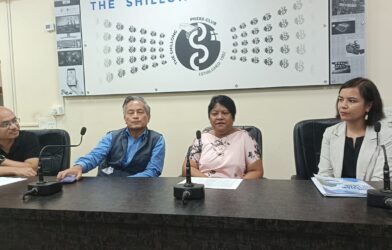

SHILLONG, MAY 14: The Jaintia Coal Owners, Miners, Suppliers & Workers Association (JCOMSWA) has appealed to Chief Minister Conrad K Sangma for urgent intervention in what it described as a “human and livelihood crisis” unfolding across East and West Jaintia Hills due to continued restrictions on coal mining.
In a memorandum, the organisation said it has been witnessing year after year, to the deepening human and economic distress in the region since the National Green Tribunal’s ban in 2014.
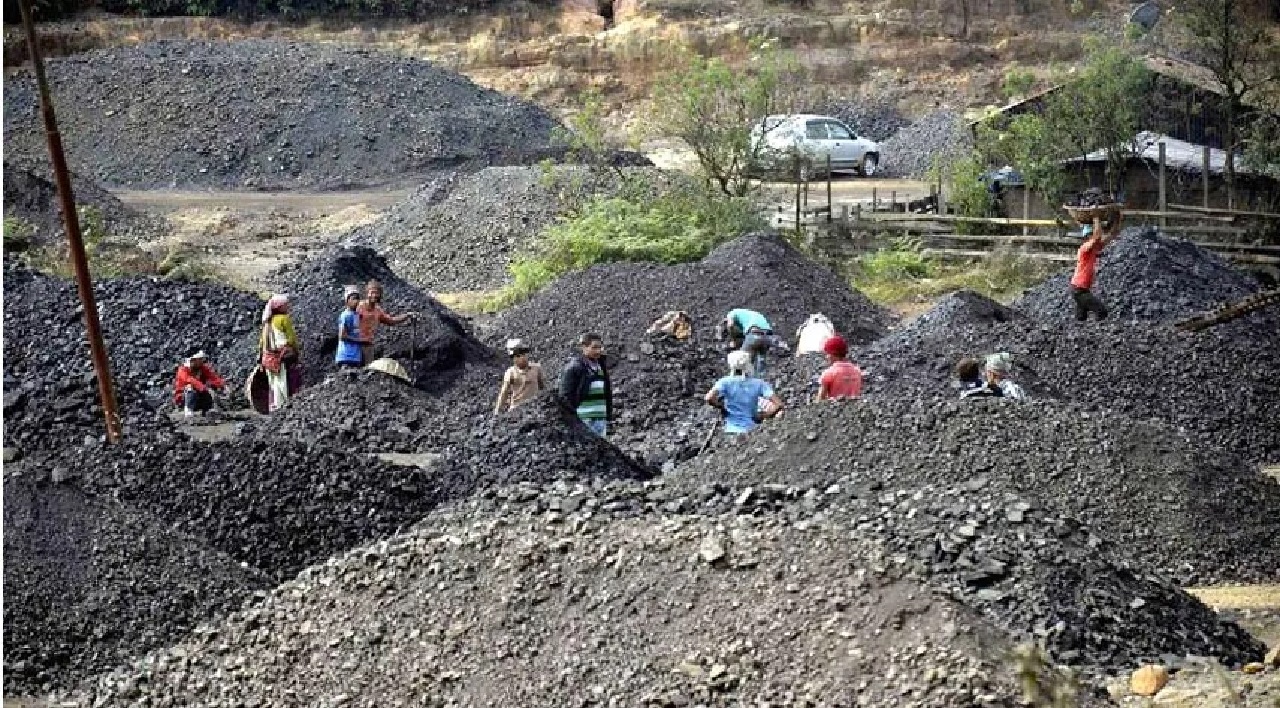
JCOMSWA described coal as the historic economic backbone of the Jaintia Hills, stating that for generations the mineral “has, for the better part of a century, been the lifeblood of the communities that live above it.”
The group argued that in a region with rugged terrain and limited industrial employment, coal “gave the small landowner a livelihood… the daily-wage labourer a means to feed his children… the truck driver a route and a purpose.” It added that towns like Khliehriat, Jowai, and Wahiajer were once sustained by mining-related activity, and that “schools were built with the earnings of coal. Marriages were celebrated. Medical emergencies were met.”
According to the memorandum, “That ordinary dignity has been taken from them.”
The association painted a stark picture of the fallout from the mining ban, asserting that “entire households that were sustained by coal income have been reduced to subsistence.”
It said landowners now “sit on an asset he cannot lawfully exploit,” while truck owners, weighbridge operators, and labourers have been displaced “without compensation, without retraining, and without any alternative source of income being offered to them.”
The memorandum further claimed that “many families in these districts have been forced to send their sons and daughters to work in other states… because there is simply nothing left for a young person to do in a district whose only significant economic activity has been shut down.”
JCOMSWA said children have “borne the heaviest burden” of the economic collapse, noting that the organisation has documented school withdrawals due to loss of family income.
It warned that “the criminalisation of mining without any viable alternative has not ended the practice of using children in clandestine coal operations. It has only pushed it underground, into the dark where there is no oversight, no safety gear, and no one to answer when something goes wrong.”
The memorandum added, “We place this before Your Excellency not to justify illegal mining, but to say plainly: the continuation of the status quo is not protecting children. It is merely hiding their suffering from public view.”
On environmental concerns, the group acknowledged that “the environmental damage caused by decades of unregulated rat-hole mining is real and undeniable.” It pointed to rivers like the Myntdu and the Lukha that “bear the orange-stained wounds of acid drainage from abandoned mine sites,” and said families can no longer draw drinking water from local streams.
“These communities are therefore suffering twice over: they have lost the income that mining once provided, and they are also living with the lasting environmental damage that unregulated mining left behind,” the memorandum stated.
JCOMSWA stressed it was “not asking for a return to the unregulated, dangerous, and environmentally reckless rat-hole mining of the past” and that it does not seek to have the law ignored.
“We recognise that the suffering caused by mining accidents… is also part of the story of coal in the Jaintia Hills, and it is a chapter that must never be repeated,” it said. Instead, the association called for “a clear, committed, and time-bound path toward a form of coal extraction that is safe, that is regulated, that respects the environment, and that restores to the people of the Jaintia Hills some portion of the livelihood and dignity that has been taken from them.”
The memorandum urged the state government to coordinate with the Autonomous District Councils and the Government of India to create lawful pathways for regulated mining by indigenous tribal landowners, citing the Supreme Court’s recognition of tribal ownership of minerals.
It also sought immediate interim livelihood support for displaced families, urgent environmental restoration of damaged rivers and land, and the establishment of a transparent consultative forum with community and civil society representation. Further, it requested comprehensive legal advice on mechanisms to address grievances of tribal mineral owners within Sixth Schedule areas.
“The crisis in the coal districts of Meghalaya is not a crisis of their making. It is a crisis of governance… of a decade of inaction that has accumulated like sediment in a river until the water can no longer flow,” the memorandum concluded.
JCOMSWA said it remains available to assist the Chief Minister’s office with information or community consultations.