
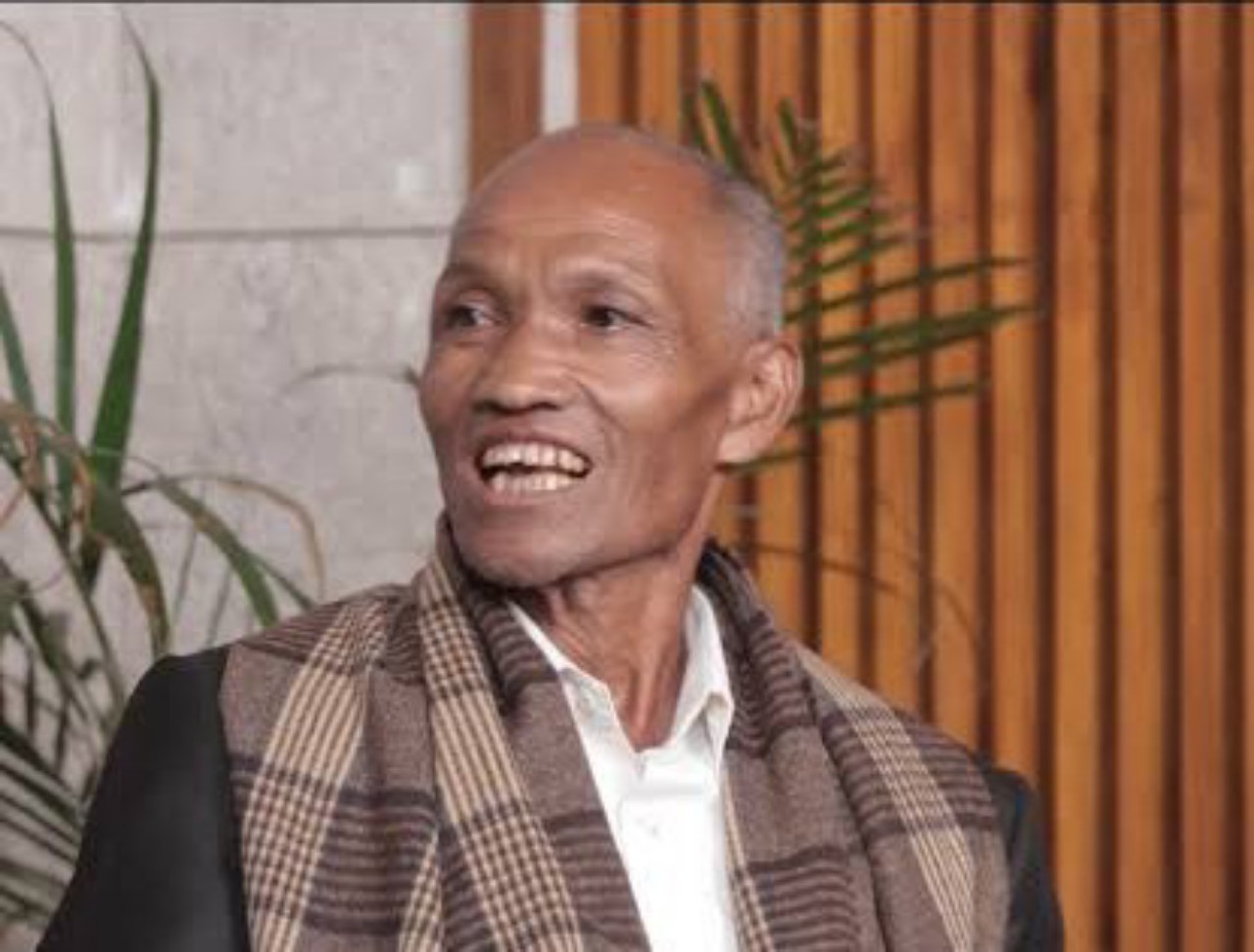
Shillong, August 24: Chief Minister Conrad K. Sangma’s suggestion that legislators wear traditional attire at least once a week is a welcome initiative that can help preserve, promote and celebrate Meghalaya’s rich indigenous cultural identity, says Babu Kular Khongjrem.
During the opening sitting of the Meghalaya Legislative Assembly, the Chief Minister suggested that Speaker Thomas A. Sangma encourage legislators to wear traditional attire once a week, either during Assembly sittings or on another working day.
Khongjrem said the proposal deserves appreciation as traditional Khasi-Jaintia and Garo attire is gradually losing its place in everyday life, particularly among younger generations.
“Such an initiative should begin with our elected representatives, including MLAs and MDCs, who are role models for society. If our public leaders adopt the practice, government employees and members of the public may also be encouraged to follow their example,” he said.
He stressed that traditional attire should not necessarily mean elaborate ceremonial clothing worn during dances and festivals. Rather, it could include decent, elegant and culturally appropriate garments that reflect Meghalaya’s indigenous identity while maintaining the dignity expected in formal workplaces.
Khongjrem observed that many young people hesitate to wear indigenous clothing because they consider it old-fashioned or feel uncomfortable wearing it in public. At the same time, people from outside the indigenous communities often admire and enthusiastically wear Khasi traditional garments, including the jaiñkyrshah.
“This should make us reflect on how we value our own cultural heritage,” he said.
He clarified that modern fashion is not objectionable, but maintained that clothing in offices, educational institutions and other formal settings should reflect professionalism, dignity and respect for the workplace.
“The freedom to choose what we wear should also be balanced with the standards expected in a workplace,” Khongjrem said.
He urged the State Government to consider extending the initiative to government departments by introducing or strengthening appropriate dress standards for employees.
According to him, employees, irrespective of gender and age, should be encouraged to wear decent formal or traditional attire while on duty. Any such policy, he added, should be fair, inclusive and respectful of the Khasi-Jaintia and Garo communities.
Khongjrem pointed out that many senior women employees have continued to maintain a dignified and professional style of dressing, often wearing traditional Khasi, Jaintia or Garo attire. He said this practice has continued through different periods of Meghalaya’s history, from the British era and the years when the region was part of Assam to the present day.
He also cited doctors, nurses and employees in several private organisations as examples of professionals who follow uniforms or appropriate dress codes suited to their responsibilities.
Teachers, particularly women educators, have likewise maintained a generally dignified standard of dress in schools and colleges, he said, adding that teachers serve as important role models for students.
“Educational authorities should continue to uphold suitable standards of dress while allowing practical clothing for excursions, study tours, educational visits and fieldwork,” he added.
Khongjrem emphasised that preserving traditional attire is about much more than clothing.
“It is about protecting our identity, strengthening cultural pride and passing a living heritage to future generations,” he said.
He called for coordinated efforts by the Government, educational institutions, traditional bodies and the public to ensure that Meghalaya’s indigenous attire remains visible, respected and relevant.
“By beginning with our legislators and extending the initiative to government offices and educational institutions, Meghalaya can send a powerful message: progress and modernity need not come at the cost of cultural identity,” Khongjrem said.