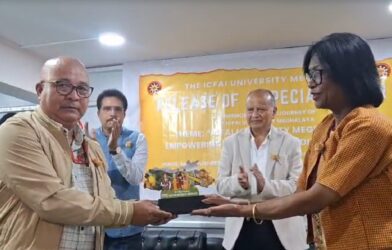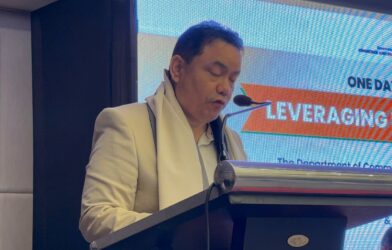

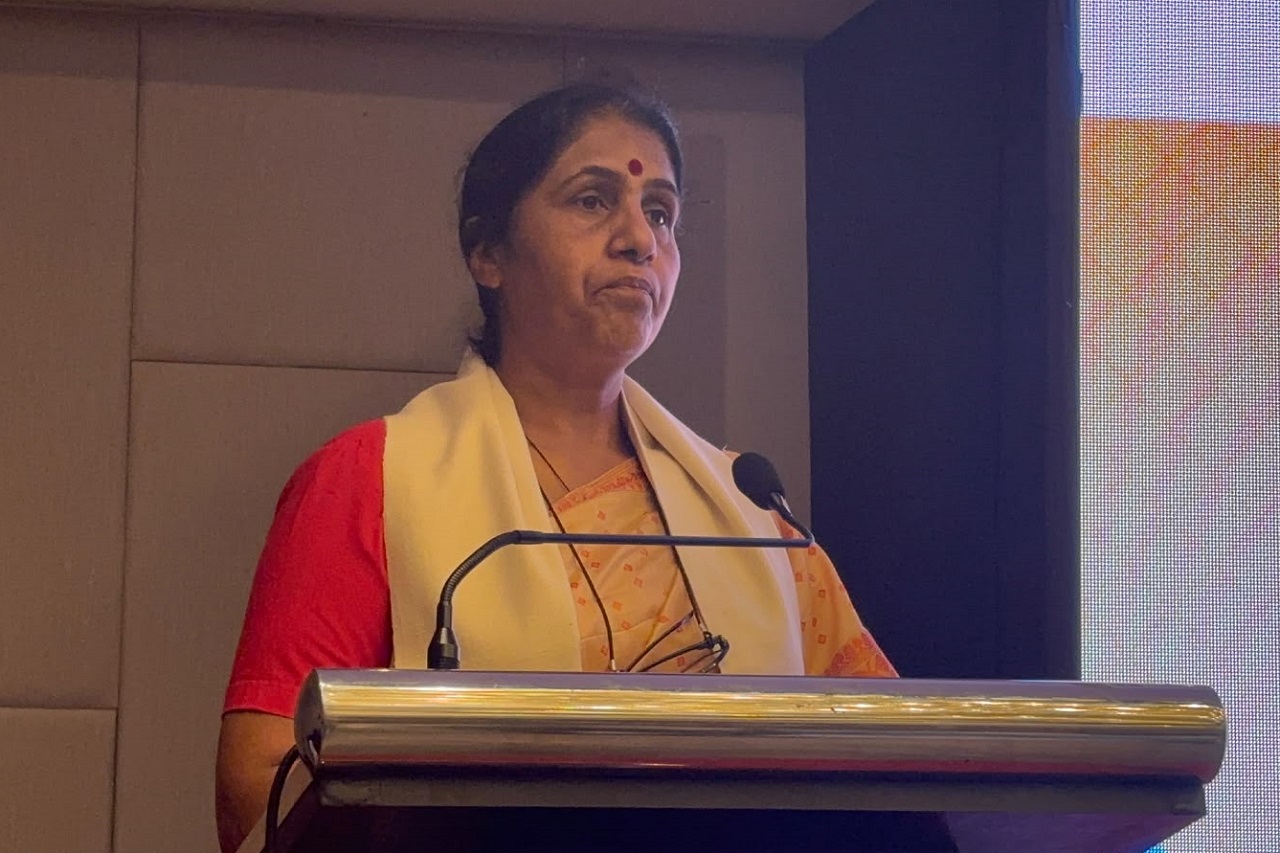
Shillong, October 29: Meghalaya’s businesses need better logistics, stronger market linkages and a clear understanding of international trade requirements to benefit from India’s Free Trade Agreements (FTAs), a senior official of the Union Department of Commerce said on Thursday.Addressing an outreach programme titled “Leveraging FTAs” at Hotel Vivanta in Shillong, Kapil Chaudhary, Joint Secretary in the Department of Commerce, highlighted the opportunities offered by preferential market access and the practical challenges that exporters must overcome to expand their presence in international markets.
During his presentation on “Leveraging FTAs and Preferential Market Access”, Chaudhary said the session would focus primarily on trade in goods, while issues relating to services would be addressed separately.
He emphasised that trade agreements could create new opportunities for businesses but would not automatically lead to an increase in exports. Entrepreneurs needed to identify suitable markets, establish commercial relationships and comply with the conditions specified under individual agreements.
Chaudhary highlighted product testing, rules of origin and compliance with market-specific requirements as key factors in ensuring that businesses could benefit from preferential access to international markets.
He also drew attention to limitations in state-level export data, explaining that goods produced in one state could be exported through merchant exporters or ports located in other states. As a result, the contribution of the state where the products originated might not be accurately reflected in official export figures.
To address this gap, he suggested that Meghalaya explore available Goods and Services Tax (GST) data to identify export-linked products and develop a clearer assessment of the state’s production capacity and trade potential.
Highlighting the challenges faced by a landlocked state, Chaudhary said transportation and logistics costs remained important factors affecting the international competitiveness of local products. Improved infrastructure and more direct connectivity, he said, could help producers transport goods to overseas markets more efficiently.
He also encouraged businesses to examine assistance available under the Export Promotion Mission, particularly provisions aimed at addressing logistics constraints and supporting exporters in regions such as the Northeast.
Chaudhary stressed the need for closer coordination among the state government, producers, exporters and trade-support institutions to identify products with export potential, address infrastructure gaps and improve access to international markets.
The outreach programme aimed to familiarise local businesses with the opportunities available under India’s trade agreements and help them understand the practical steps required to strengthen Meghalaya’s participation in international trade.