
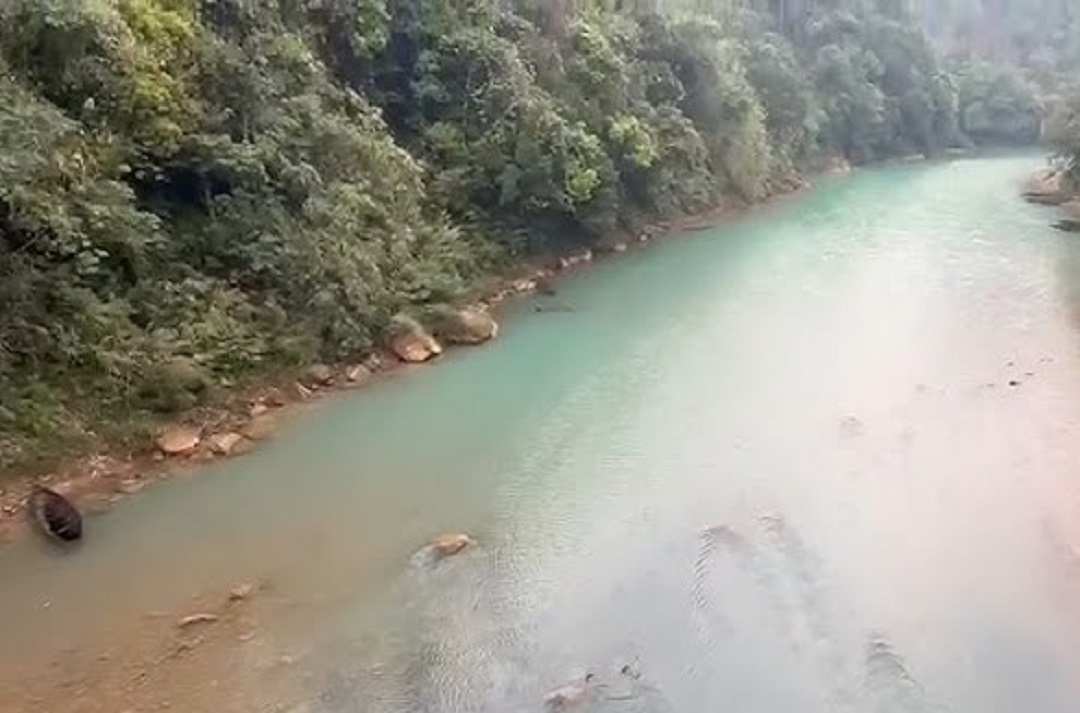
SHILLONG, MAY 6: The Khasi Students’ Union (KSU) South West Border Circle has urged the Meghalaya State Pollution Control Board to intervene immediately over suspected pollution in the Wah Prang River, citing repeated fish deaths and a visible change in water colour.
In a complaint to the MSPCB Member Secretary on Wednesday, the KSU said the Wah Prang River, which serves as a vital source of water for local communities, has shown “alarming signs of environmental degradation” this year.
The union noted that the river water has undergone a “noticeable and unusual change in colour,” indicating possible contamination and deterioration of water quality.
The letter said mass deaths of fish have been recurring in the river for nearly five years, particularly at the onset of the monsoon season, but the situation has worsened this year with both fish mortality and water discoloration becoming evident.
The KSU said these occurrences “strongly indicate the presence of harmful pollutants, toxic discharge, or other hazardous substances in the water body.”
Calling the contamination a serious threat to aquatic life and to residents who depend on the river for their health, livelihood, and daily needs, the union said continued degradation of the ecosystem amounts to a violation of the fundamental right to life under Article 21 of the Constitution, which includes the right to a clean and healthy environment.
The complaint invoked the Water (Prevention and Control of Pollution) Act, 1974, stating that it is the statutory duty of authorities to prevent pollution and restore water bodies, and that discharge of untreated industrial effluents, mining waste, or toxic substances is unlawful.
The KSU has requested an immediate field inspection and scientific analysis of the river water, along with steps to identify the source of pollution and initiate legal action against those responsible.
It also sought urgent remedial measures to restore the river’s ecological balance and continuous monitoring to prevent recurrence, calling the matter one of “urgent public importance” requiring immediate intervention to safeguard the environment and public well-being.