
Diengdoh cites technical assessments and project clearances, appeals for public support as JAC maintains relocation demand
Shillong, November 5: The Tourism Department has renewed its appeal for public support for the Shillong Peak Ropeway Project, maintaining that technical assessments indicate the proposed project will not affect drinking water sources identified by those opposing it.
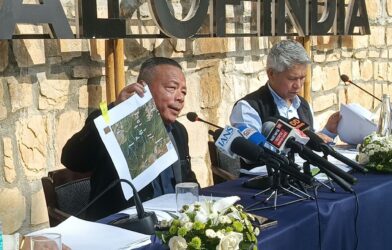
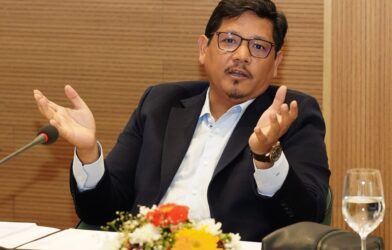
Speaking to reporters after another public consultation at the State Convention Centre on Wednesday, Meghalaya Ropeway Development Authority Chief Executive Officer Cyril V. D. Diengdoh said the department had examined concerns relating to water sources, catchment areas and vegetation, and had secured the necessary project approvals.
He said the ropeway would improve access to Shillong Peak View Point, generate employment opportunities and provide visitors with a new tourism experience.
According to Diengdoh, the Joint Action Committee (JAC) opposing the project had been invited to the consultation but did not attend. Representatives of other organisations and members of the public participated in the meeting and raised several questions, which officials addressed.
The JAC, however, has maintained its demand for relocation of the project. In a written response to the invitation, the committee clarified that it was not opposed to a ropeway in principle but objected to the proposed location.
Addressing concerns over drinking water sources, Diengdoh said assessments conducted by the Public Health Engineering Department indicated that the project would not affect the sources highlighted by the opposition.
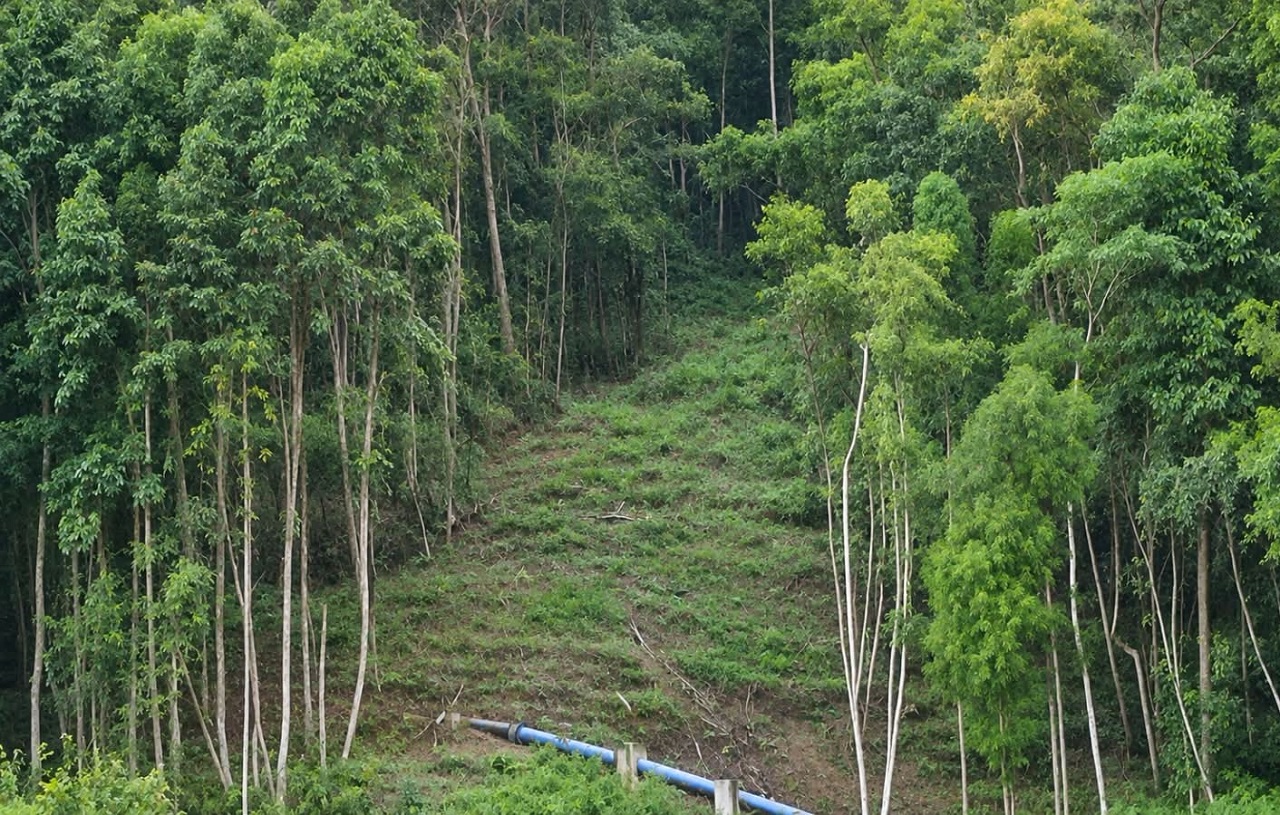
He explained that the six proposed towers between the lower and upper terminals would occupy approximately 0.2 per cent of the catchment area considered in the assessment, describing the anticipated impact as negligible.
The department had also presented maps showing the locations of springs in relation to the proposed ropeway alignment, with some situated between 500 metres and one kilometre away, he said.
Diengdoh further maintained that the Shillong water supply source referred to during the discussions was located in a separate catchment area and would not be affected by the project.
On concerns relating to vegetation, he said the ropeway cabins would operate above the tree canopy, while the alignment and supporting infrastructure had been designed to minimise environmental disturbance. Representatives of French ropeway company Poma also joined the consultation online to explain the system’s design and their experience in implementing similar projects.
Responding to questions about the requirement for a statutory environmental public hearing, Diengdoh said the project was exempt from the environmental clearance requirement under the applicable notification of the Union Environment Ministry.
However, he said consultations and environmental safeguards had been undertaken to fulfil the requirements associated with funding from the New Development Bank.
He informed that the Meghalaya Institute of Governance had conducted a consultation in Laban as part of the social assessment process, while the project’s Environmental Management Plan had received approval from the bank.
Diengdoh also said approvals or no-objection certificates had been obtained from various agencies, including the Indian Air Force, Indian Army and Airports Authority of India. Forest-related permissions had also been secured, while compensatory afforestation requirements were being addressed under the applicable rules.
The project is supported by the New Development Bank and the Centre’s PM-DevINE scheme under the Ministry of Development of North Eastern Region.
Explaining the project’s objectives, Diengdoh said the ropeway would connect the Laban area with an upper terminal located just below Shillong Peak View Point.
Apart from improving accessibility, he said the gondola ride itself was envisaged as a tourism attraction, offering passengers panoramic views of the surrounding landscape. Both residents of Meghalaya and tourists would be able to use the facility.
He said tourism supported numerous livelihoods across the state and that the project could create additional employment opportunities, particularly for young people seeking careers in the sector. He also maintained that the local Dorbar had been consulted during the project’s development.
Responding to the continuing opposition, Diengdoh said the department remained committed to examining concerns raised by any organisation or individual and would continue to welcome suggestions during the construction, implementation and operational stages.
He added that environmental management measures and prescribed safety standards would have to be followed throughout the project.
Appealing to stakeholders to support the initiative, Diengdoh urged the public to consider the technical information and assessments presented by the department.
On the possibility of developing ropeway projects in other parts of Meghalaya, he said the government was open to conducting feasibility studies, subject to community consent, financial viability and detailed technical and safety assessments.
He clarified that the Shillong ropeway was designed exclusively for passenger transportation and tourism purposes and would not be used for transporting goods.