
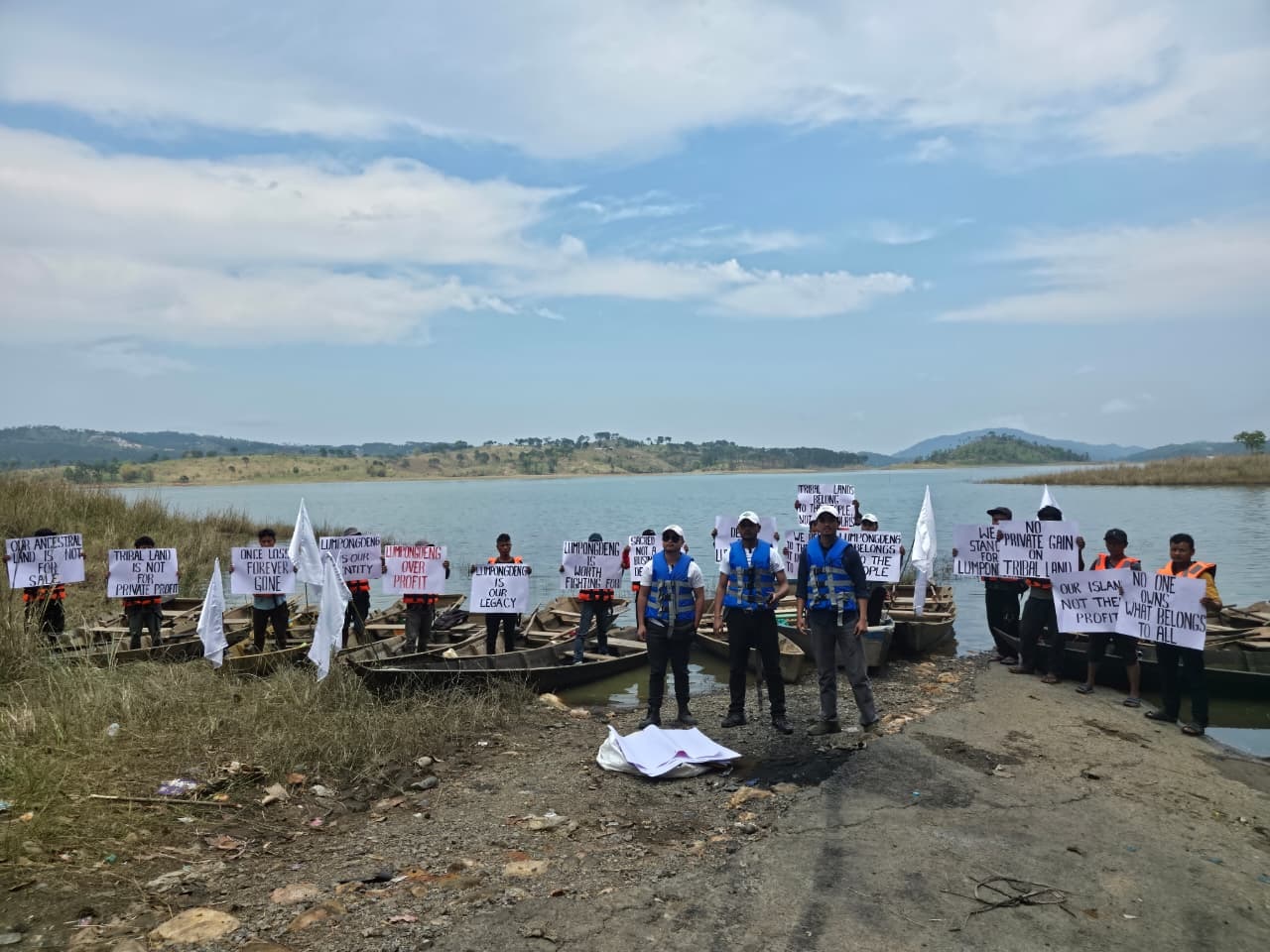
Shillong | April 16: Meghalaya’s push to elevate tourism has reached a critical moment, with the proposed Lumpongdeng–Taj Resort project at Umiam exposing a deeper debate—development versus transparency and environmental accountability.
The State Government has consistently maintained that the project, being implemented under a Public-Private Partnership (PPP) model, will promote high-value tourism and generate livelihoods. However, the lack of detailed public disclosure has raised significant concerns among citizens and civil society groups.
At the centre of the issue is the absence of clarity. Key details such as the total project cost, the process of selecting the developer, and the full terms and timeline of the agreement have not been made public. This has contributed to growing skepticism and calls for greater transparency.
Umiam, a key ecological zone, is not merely a tourism asset but an environmental lifeline. While authorities have stated that no permanent structures will be constructed on Lumpongdeng Island, the proposed 60-year lease and the scale of a luxury resort have triggered questions about long-term sustainability. Environmental groups, including the Green-Tech Foundation, argue that such concerns deserve careful scrutiny rather than dismissal.
In a democratic framework, citizens are demanding answers: who made the decision, who benefits from the project, and what the State ultimately stands to gain or risk. Without a transparent and inclusive public consultation process, the project risks eroding public confidence.
Chief Minister Conrad K. Sangma and Deputy Chief Minister Prestone Tynsong have both spoken positively about the project’s potential. Yet, critics argue that general assurances are no longer sufficient—what is required now are verifiable disclosures, including access to agreements, environmental assessments, and compliance documents.
Further questions have emerged around the role of the Special Purpose Vehicle (SPV), Umiam Hotels Pvt. Ltd.. There is little public information regarding how the SPV was constituted, whether it followed a transparent bidding process, and what shareholding structure the government holds.
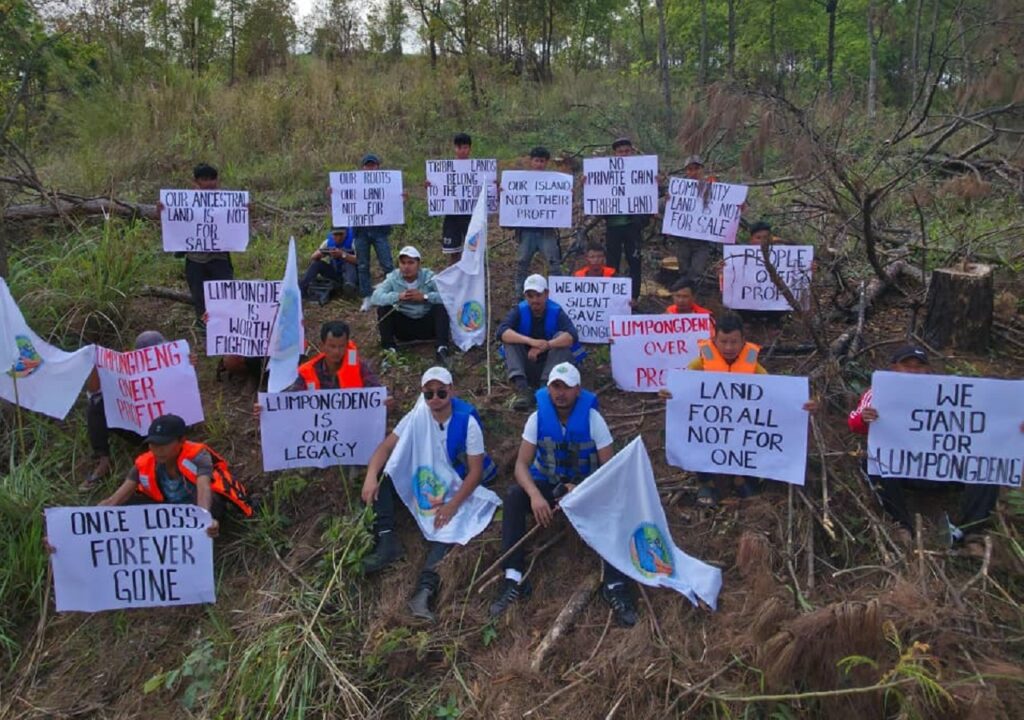
The transfer of land from the Meghalaya Energy Corporation Limited to the Tourism Department has also raised eyebrows. Observers are questioning the nature of this agreement, whether it involved public consultation, and what revenue model underpins the 60-year lease.
Although the government asserts that all necessary approvals have been secured—including Consent to Establish (CTE) for approximately 66 acres—civil society groups claim that public participation in the clearance process has been insufficient.
The PPP model itself has come under scrutiny. While private investment reduces immediate fiscal burden, critical questions remain unanswered: what is the revenue-sharing arrangement, and who bears the financial risk if the project underperforms?
Meanwhile, protests have intensified. The Green-Tech Foundation and other groups have staged hunger strikes, alleging that the government is not being fully transparent and warning of potential long-term environmental consequences.
The Lumpongdeng project now stands at a crossroads. It can either emerge as a model for sustainable and transparent tourism development—or become a cautionary tale of governance gaps and public distrust.
Public dissent, rather than being seen as an obstacle, offers an opportunity to strengthen democratic processes. The growing scrutiny surrounding the project highlights a broader issue: the urgent need for transparency and accountability in Meghalaya’s development model.
The message from the ground is clear—development is necessary, and tourism growth is vital. But progress must not come at the cost of ecological balance or public trust. The time has come for the government to move beyond assurances and place all facts in the public domain.