
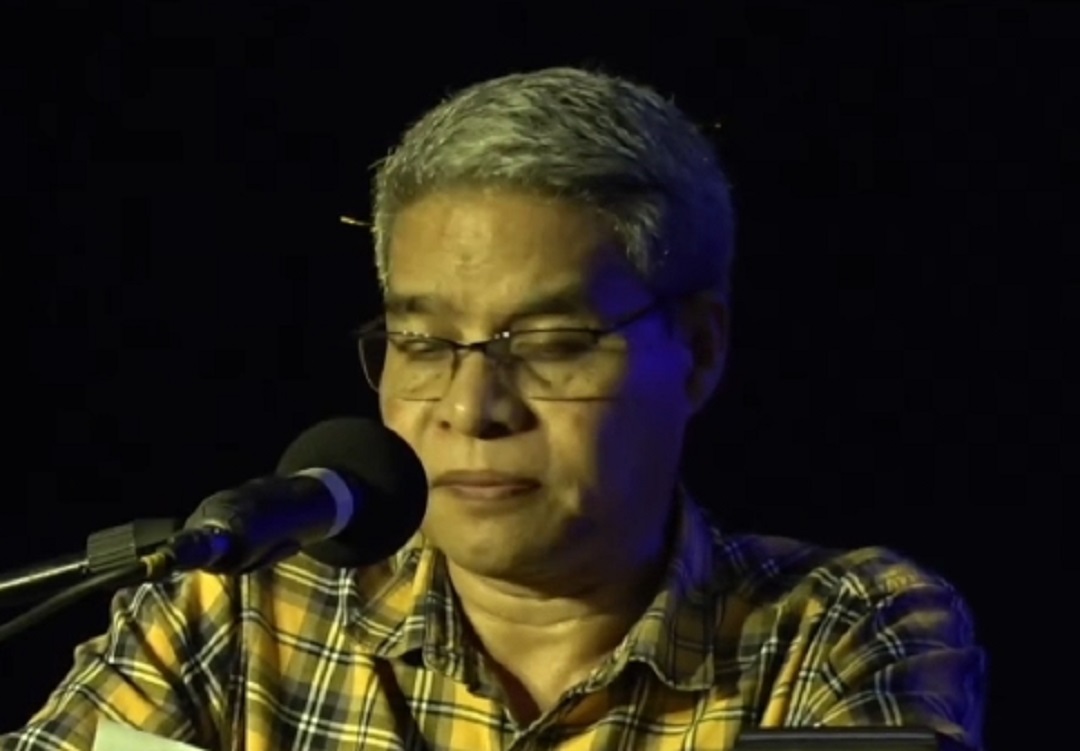
Shillong, June 6: Renowned Khasi scholar, writer and researcher on Khasi history, culture and indigenous traditions, Dr. Kynpham Sing Nongkynrih emphasized that unity and the matrilineal clan system remain the fundamental pillars sustaining Khasi identity, culture and social cohesion.
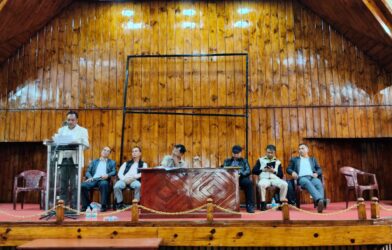
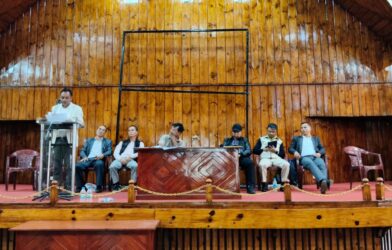
Speaking during the oath-taking ceremony of the newly elected office bearers of the Khasi Students’ Union Central Executive Council for the 2026–2029 term at Soso Tham Auditorium, Dr. Nongkynrih highlighted the rich historical and cultural legacy of the Khasi people and urged the younger generation to preserve and strengthen their indigenous heritage.
He noted that the Khasi people are not merely inhabitants of the hills of Meghalaya but a distinct indigenous society with its own traditional governance system, language, customs and way of life that have existed for centuries. He pointed out that Khasi history extends far beyond the colonial era, with well-established systems of village administration, traditional states, public councils and community-based justice existing long before the arrival of the British.
According to Dr. Nongkynrih, one of the most unique aspects of Khasi society is its matrilineal clan system, through which lineage is traced through the mother. He said this structure has played a crucial role in preserving social harmony, strengthening family bonds and safeguarding the collective identity of the Khasi people across generations.
He observed that scholars from around the world continue to study the Khasi matrilineal system because it remains one of the few surviving indigenous social structures of its kind. However, he cautioned that a lack of understanding among younger generations about the significance of these traditions could lead to the gradual erosion of valuable cultural knowledge and wisdom accumulated over centuries.
Underscoring the importance of unity, Dr. Nongkynrih said that although the Khasi Hills historically comprised numerous traditional states and territories with different administrative systems, the people remained connected through a shared culture, language, customs and sense of belonging.
“Being Khasi is not determined solely by geography, but by a common heritage rooted in kinship, language, culture and tradition,” he said, adding that these shared values have enabled the community to safeguard its identity and rights throughout history.
Dr. Nongkynrih also highlighted the democratic nature of traditional Khasi governance, noting that institutions such as the Dorbar Shnong, Dorbar Raid and Dorbar Hima provided mechanisms for public participation in decision-making long before modern administrative structures were introduced.
“These institutions are a source of pride and demonstrate that Khasi society possessed well-developed systems of governance, accountability and community participation long before colonial rule,” he remarked.
Addressing the youth, Dr. Nongkynrih expressed concern over the gradual loss of historical awareness among younger generations. He said many young people are familiar with the histories of other nations but often know little about their own ancestors and indigenous heritage.
He encouraged Khasi youth to actively study traditional customs, oral traditions, folklore and historical records, stressing that a deeper understanding of history strengthens cultural pride, social consciousness and community unity.
Dr. Nongkynrih further urged the Khasi Students’ Union to continue championing the protection of the Khasi language, culture, customs and indigenous rights for future generations.
Concluding his address, he said the true strength of the Khasi people does not lie in wealth, political power or infrastructure, but in their unity, kinship ties, respect for tradition and knowledge of their own history.
“As long as these foundations remain alive in the hearts and minds of the people, the Khasi community will continue to thrive and move forward despite the challenges of a rapidly changing world,” he said.