

SHILLONG, APR 21: The opposition Voice of the People Party (VPP) on Tuesday rejected allegations by Congress leader Manuel Badwar on the Umiam resort issue, stating that the party had raised objections well in advance through official channels and in the Assembly, and that dismissing public concerns as opportunism was “dishonest and intellectually bankrupt.”
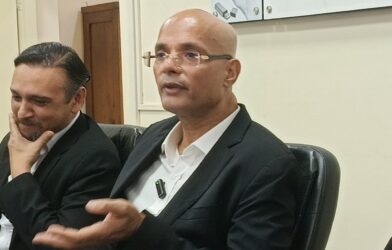
VPP spokesperson Dr. Londoner Murphy Sohtun said the party “firmly rejects the allegations made by Congress leader Manuel Badwar, regarding the Umiam resort issue. It is both misleading and dismissive to suggest that the concerns raised by VPP and the people of Meghalaya are an attempt to ‘hijack’ the issue for political mileage.”
“Let it be made absolutely clear: this issue was not manufactured overnight. VPP had raised serious objections well in advance through official communication with the government and had also placed the matter on record in the Assembly to which the government never reciprocated for a constructive dialogue,” he said.
“These actions reflect a consistent and responsible approach by the party. To now label a sustained and consistent effort as opportunism is both dishonest and intellectually bankrupt,” Sohtun added.
He said the party’s position on development remained unchanged. “VPP has consistently maintained that development must not come at the cost of our values, environment, and social fabric. Raising concerns about the possible consequences of promoting luxury tourism in such areas is not an act of distortion—it is an act of responsibility. Dismissing these concerns as exaggeration or political opportunism undermines genuine public sentiment,” he said.
Sohtun also questioned the Congress’ stance. “Instead of levelling cheap accusations, the Congress should introspect on its own inconsistent position and explain why it failed to take a firm stand when the issue was first raised. The people deserve clarity, not convenient half-truths.”
On public mobilisation, he said, “VPP reiterates that its call for public mobilisation is rooted in democratic engagement. When institutions fail to adequately address public concerns, it becomes necessary for citizens to come together and make their voices heard. Dialogue is important, but it must be meaningful and inclusive—not limited to closed-door discussions that exclude the very people affected.”
“We urge all stakeholders, including the government and opposition parties, to recognise that this issue goes beyond partisan lines. It is about safeguarding Meghalaya’s future. Development should be thoughtful, sustainable, and aligned with the aspirations of its people—not driven by short-term economic gains or external pressures,” Sohtun said.